In Delhi NCR, almost everyone knows about Vitamin D deficiency. With intense smog filtering out UVB rays, indoor office jobs, and cultural habits of staying out of the sweltering afternoon sun, over 80% of Delhiites have low Vitamin D. Doctors frequently prescribe high-dose 60,000 IU capsules or sachets once a week for 8 weeks.
Here is where things go wrong: many people feel so much more energetic after their first month of treatment that they continue taking 60,000 IU capsules week after week, month after month, without ever re-checking their blood levels. Others double up on multivitamin gummies, fortified milk, and calcium supplements.
Can you overdose on a vitamin? With water-soluble vitamins like Vitamin C, excess simply leaves your body in your urine. But Vitamin D is fat-soluble—your body cannot flush it out. Excess Vitamin D accumulates in your liver and fatty tissues, leading to a potentially dangerous medical condition called Hypervitaminosis D.
What Happens When Vitamin D Levels Rise Too High?
The primary job of Vitamin D is to act as a master key that unlocks your intestines to absorb calcium from your food. When you have toxic amounts of Vitamin D in your blood, your gut goes into overdrive, pulling massive quantities of calcium into your bloodstream.
This causes Hypercalcemia (dangerously high blood calcium). The excess calcium begins settling in places it never belongs:
- Kidney Stones & Renal Strain: Excess calcium crystallizes into painful kidney stones and can impair renal filtration.
- Extreme Nausea & Constant Thirst: Severe dehydration, vomiting, and a metallic taste in the mouth.
- Brain Fog & Confusion: Lethargy, dizziness, and muscle weakness.
- Arterial Calcification: In chronic toxicity, calcium deposits harden inside soft tissues and blood vessels.
Decoding Your 25-Hydroxy Vitamin D Report
| Vitamin D Level (ng/mL) | Status | Recommended Medical Action |
|---|---|---|
| Under 20 ng/mL | Deficient | Therapeutic weekly supplementation needed under doctor guidance. |
| 20 to 30 ng/mL | Insufficient | Mild daily supplementation and safe sun exposure. |
| 30 to 100 ng/mL | Optimal Healthy Range | Maintain current diet; stop high-dose weekly mega-capsules. |
| Above 100 ng/mL | Excess / Potential Toxicity | Stop all Vitamin D and Calcium supplements immediately; check Serum Calcium & KFT. |
The Golden Rule of Supplementation
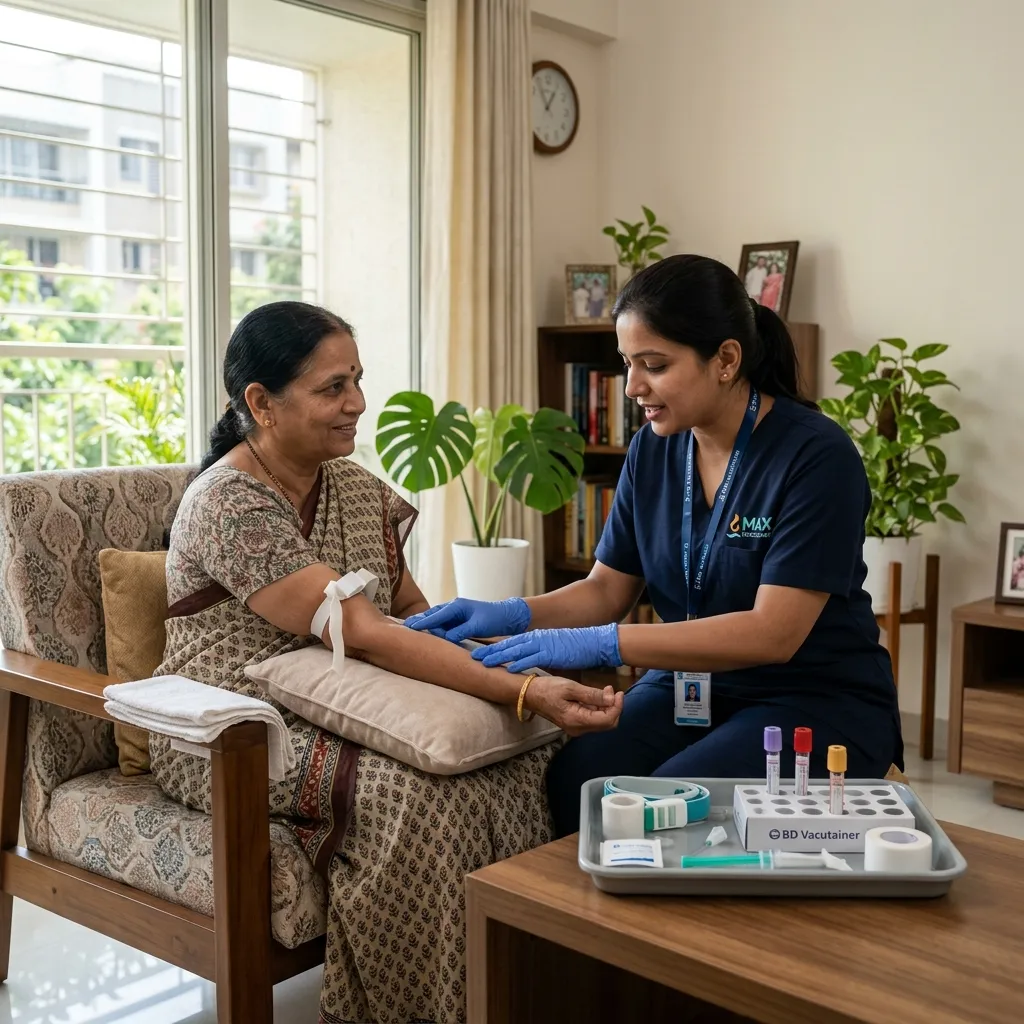
Never take more than 2 months of high-dose 60,000 IU Vitamin D without doing a follow-up 25-OH Vitamin D Blood Test. Measuring your levels takes just 3 minutes with BookMyPatho's doorstep phlebotomy service in Delhi NCR.
Recommended Lab Tests & Packages to Book at Home
If you or a loved one are experiencing these symptoms, you can book these diagnostic tests directly with BookMyPatho. Our trained phlebotomists collect samples from your doorstep across Delhi NCR with digital reports delivered within 12 hours:
- 25-Hydroxy Vitamin D Test: Measures true biological storage levels to prevent deficiency or accidental toxicity.
- Total Serum Calcium & Phosphorus: Checks for dangerous hypercalcemia resulting from high-dose Vitamin D intake.
- Kidney Function Test (KFT with Creatinine): Monitors renal filtration and rules out calcium-induced kidney strain.
Have questions or need assistance selecting the right package? Call or WhatsApp our Delhi NCR health desk at +91-8700227153.