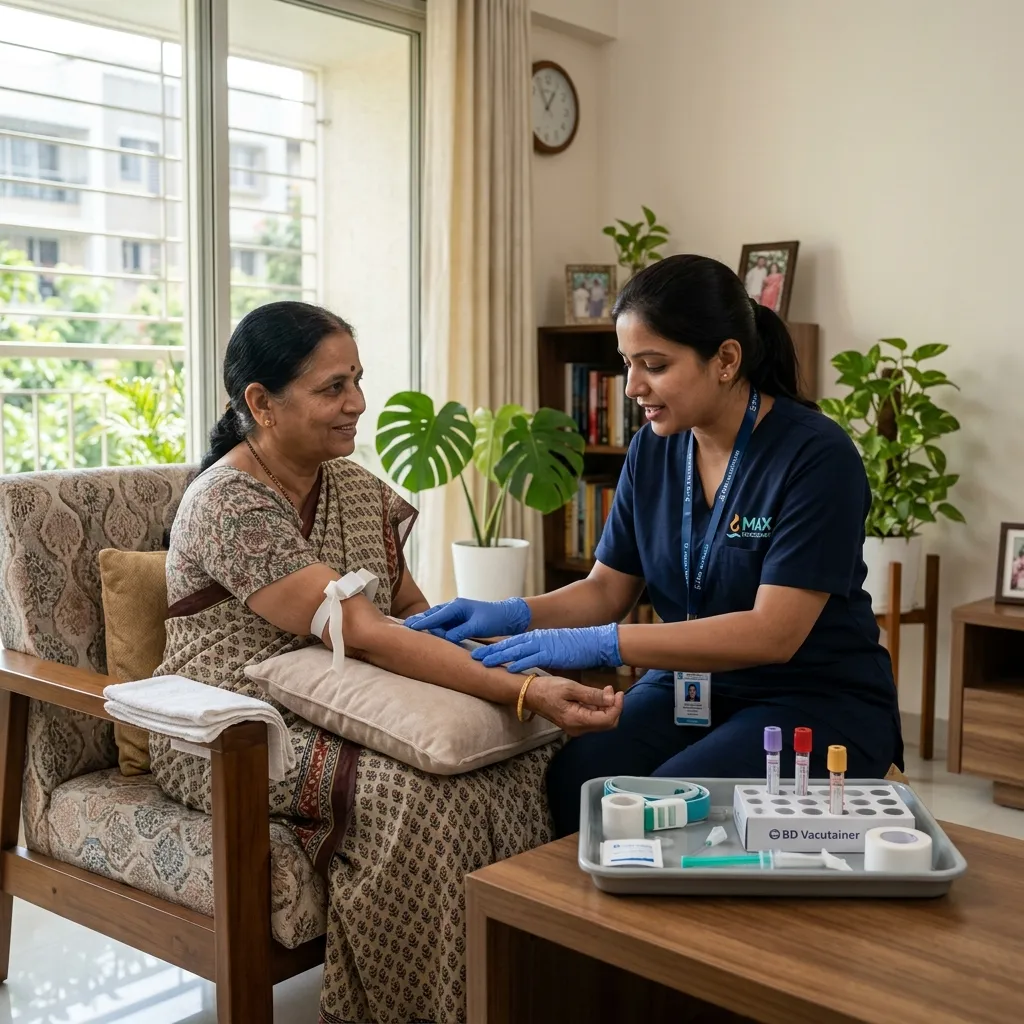
Picture this: you've been dragging yourself through the last few weeks. The alarm goes off, and instead of feeling rested, you feel like you've just run a marathon. You drag yourself to the doctor, explaining how even climbing the stairs feels like a workout lately. Before you can even finish, the doctor reaches for their prescription pad and jots down three letters: CBC.
Sound familiar? A Complete Blood Count (CBC) is usually the very first test any doctor will order when you're feeling "off." It's the ultimate investigative tool—a sneak peek into exactly what's happening inside your body at a microscopic level. But what exactly is it looking for?
The Three Main Players in Your Blood
Your blood isn't just red liquid; it's a bustling highway of different cells, each with a very specific job. A CBC measures the three most important types:
- Red Blood Cells (RBCs): Think of these as your body's delivery trucks. Their job is to pick up oxygen from your lungs and drop it off at every cell in your body. If you're low on these delivery trucks, your cells literally starve for oxygen. That's why you feel exhausted! This condition is called anemia, and shockingly, over 50% of Indian women deal with it.
- White Blood Cells (WBCs): These are your internal security guards. When you get a cut, or catch a bug, your WBC count shoots up as your body sends these soldiers to fight the infection. A very low count, on the other hand, means your immune system is taking a sick day.
- Platelets: These are your body's mechanics. Get a cut? Platelets rush to the scene and clump together to stop the bleeding. If you've ever lived through a Delhi dengue season, you know exactly why people obsess over their platelet counts!
"Are My Results Normal?"
When you get your report, you'll see your numbers next to a "Reference Range." Here's a quick cheat sheet for what's generally considered normal for adults:
| What We're Measuring | Normal for Men | Normal for Women |
|---|---|---|
| Haemoglobin (Hb) | 13.5–17.5 g/dL | 12.0–15.5 g/dL |
| Red Blood Cells | 4.5–5.5 million | 4.0–5.0 million |
| White Blood Cells | 4,500–11,000 | |
| Platelets | 1.5–4.0 lakh | |
Pro tip: Don't panic if your number is 0.1 off the reference range. Your doctor looks at the whole picture, not just one isolated number. A slightly low haemoglobin reading might just mean you need to eat more spinach and jaggery!
When Should You Actually Get a CBC?
Honestly? You shouldn't wait until you're sick. A CBC should be part of your annual health checkup. But you should definitely book one if you're experiencing:
- Unexplained, bone-deep fatigue that sleep doesn't fix
- Frequent fevers or infections that just won't go away
- Unusual bruising (waking up with bruises you don't remember getting)
The Best Part? No Fasting Required!
Unlike those annoying cholesterol tests, a CBC doesn't care if you just ate a massive chole bhature. You don't need to fast. However, drinking a couple of glasses of water before the test actually makes your veins pop, making the blood draw virtually painless.
So, if you've been putting off that checkup because you don't have time to wait in line at a clinic, we've got you covered. BookMyPatho sends trained phlebotomists directly to your home in Delhi NCR. Get tested in the comfort of your living room, and have your digital report ready before dinner.