Typhoid fever is a major health concern in India, especially during the summer and monsoon months. Caused by the Salmonella Typhi bacteria, it spreads primarily through contaminated food and drinking water.
\n\nThe Telltale Signs of Typhoid
\n\nUnlike a common viral fever that spikes and drops, Typhoid fever usually follows a specific pattern:
\n- \n
- A prolonged fever that gradually increases over a few days, often reaching 103°F or 104°F. \n
- Weakness, stomach pain, and headaches. \n
- Loss of appetite. \n
- In some cases, a rash of flat, rose-colored spots. \n
Diagnostic Challenges
\n\nDiagnosing Typhoid can sometimes be tricky. The traditional Widal test is widely used in India, but it can sometimes give false-positive results if you've had typhoid in the past or have been vaccinated. A blood culture (taken in the first week of fever) is considered the most definitive test.
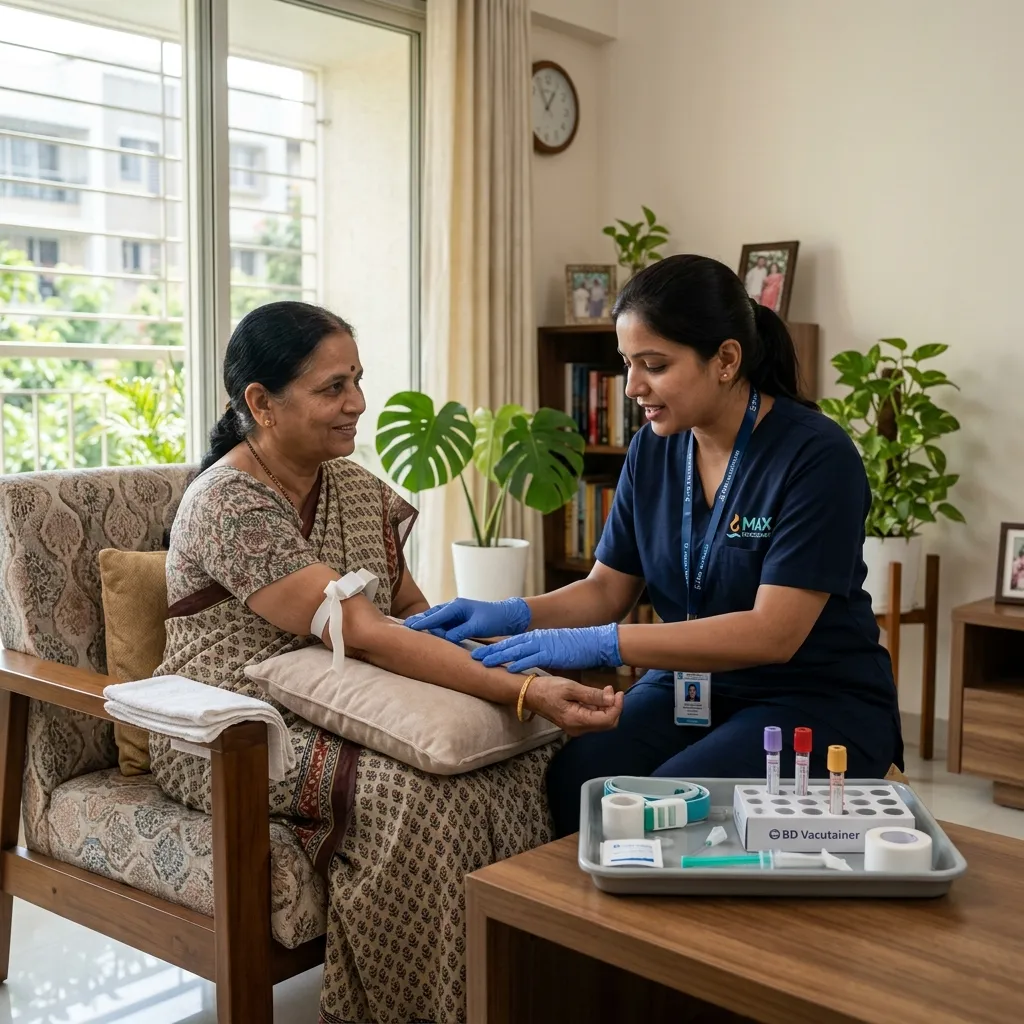
\n\nIf you've been battling a stubborn fever that just won't break, getting an accurate diagnosis is critical, as Typhoid requires specific antibiotics to prevent severe intestinal complications. Book a fever panel with BookMyPatho for quick, reliable home testing.