Tuberculosis (TB) remains one of India's most significant public health challenges. It's a bacterial infection that primarily attacks the lungs, but can also affect other parts of the body like the kidneys, spine, and brain.
\n\nTB is spread through the air when an infected person coughs or sneezes. Because of our dense populations, the risk of exposure is high.
\n\nLatent vs. Active TB
\n\nIt's crucial to understand the difference:
\n- \n
- Latent TB: You have the TB bacteria in your body, but your immune system is keeping it in check. You have no symptoms and cannot spread it to others. However, it can develop into active TB later if your immune system weakens. \n
- Active TB: The bacteria are multiplying and making you sick. You are contagious and can spread the disease. \n
Signs of Active TB
\n\nDo not ignore a cough that lasts longer than three weeks. Other symptoms include:
\n- \n
- Coughing up blood or sputum \n
- Chest pain \n
- Unexplained weight loss and loss of appetite \n
- Chills, fever, and heavy night sweats \n
Modern TB Diagnostics
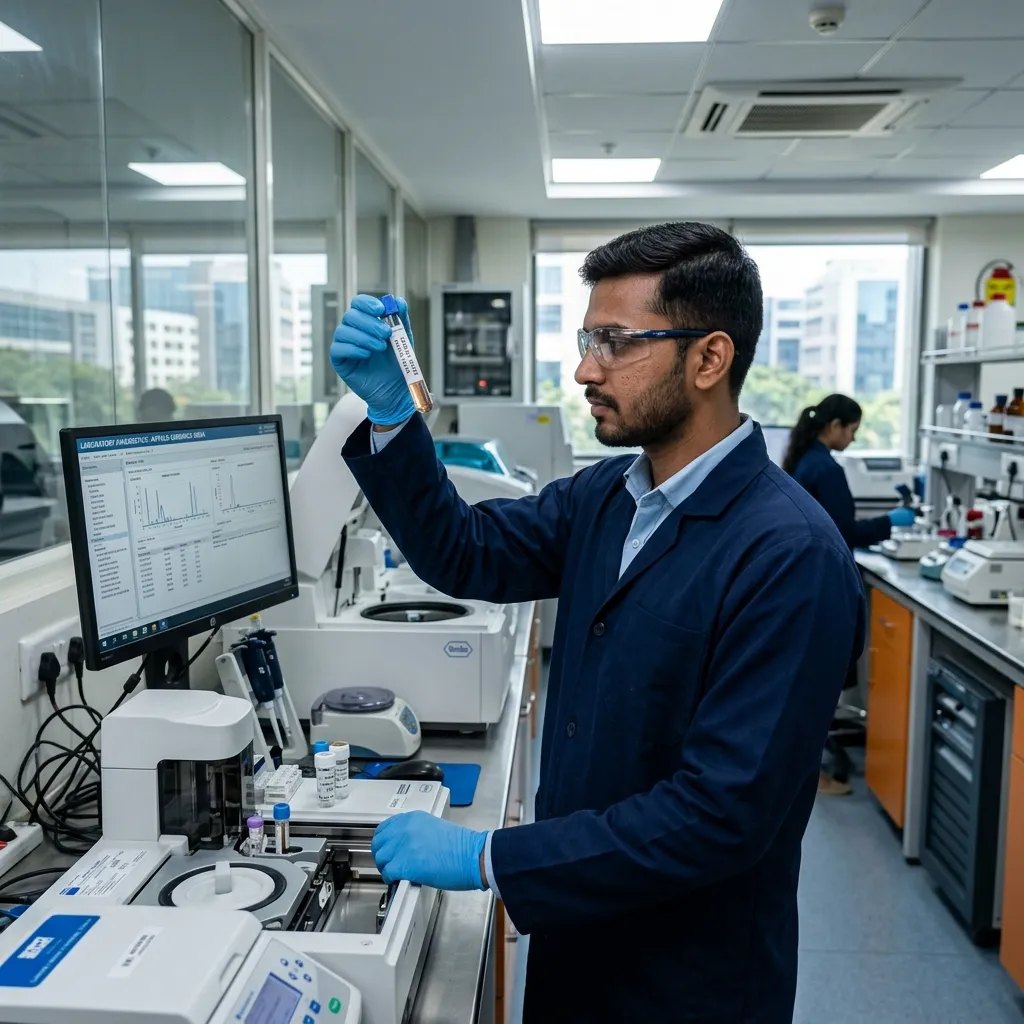
\n\nTraditional skin tests are still used, but modern blood tests like the IGRA (Interferon-Gamma Release Assay) offer highly accurate results for detecting TB infection. For active lung TB, a sputum test or chest X-ray is usually required.
\n\nEarly diagnosis and strict adherence to the treatment regimen are vital to curing TB and preventing its spread. If you've had a persistent cough, consult a doctor and rely on accurate diagnostics from certified labs.