It’s a story we hear constantly: A young woman notices the scale creeping up month after month. Her hair is thinning, she feels exhausted all the time, and her periods have become unpredictable. She heads to Google, types in her symptoms, and is immediately presented with two major culprits: Hypothyroidism and PCOD (Polycystic Ovarian Disease).
The confusion is entirely understandable. These two conditions are the leading causes of hormonal chaos in Indian women, and their symptoms overlap so much that even doctors require blood tests to tell them apart. So, how do you know which one is disrupting your life?
The Overlap: Why It’s So Confusing
Both an underactive thyroid and PCOD share a core set of frustrating symptoms:
- Stubborn Weight Gain: Especially around the midsection, which refuses to respond to diet or exercise.
- Hair Problems: Severe hair fall, thinning on the scalp, and lack of volume.
- Irregular Menstrual Cycles: Delayed periods, skipped periods, or unusually heavy flows.
- Infertility Issues: Difficulty conceiving due to disrupted ovulation.
- Mood Swings: Unexplained sadness, anxiety, or irritability.
The Differences: Spotting the Clues
While the overlap is significant, there are specific symptoms unique to each condition. Here is how you can spot the difference before your lab results come back.
The Classic Signs of Hypothyroidism
Your thyroid is your body’s engine. When it slows down, everything slows down. Look for:
- Extreme Cold Sensitivity: You need a sweater when everyone else is comfortable in a t-shirt.
- Crushing Fatigue: A bone-deep tiredness that a full night's sleep cannot fix.
- Dry Skin and Constipation: Your body's internal processes have literally become sluggish.
- Puffy Face: Especially noticeable around the eyes when you wake up.
- Voice Changes: A slightly hoarse or deeper voice than normal.
The Classic Signs of PCOD / PCOS
PCOD is primarily an issue of excess male hormones (androgens) and insulin resistance. Look for:
- Unwanted Facial Hair: New, coarse hair growth on the chin, upper lip, or jawline (Hirsutism).
- Severe Adult Acne: Breakouts, particularly around the jawline and lower cheeks, that don't respond to face washes.
- Skin Darkening: Dark, velvety patches of skin on the back of the neck, armpits, or groin (Acanthosis Nigricans), which is a clear sign of insulin resistance.
- Pattern Baldness: Hair thinning at the crown of the head, similar to male pattern baldness.
The Definitive Blood Tests You Need
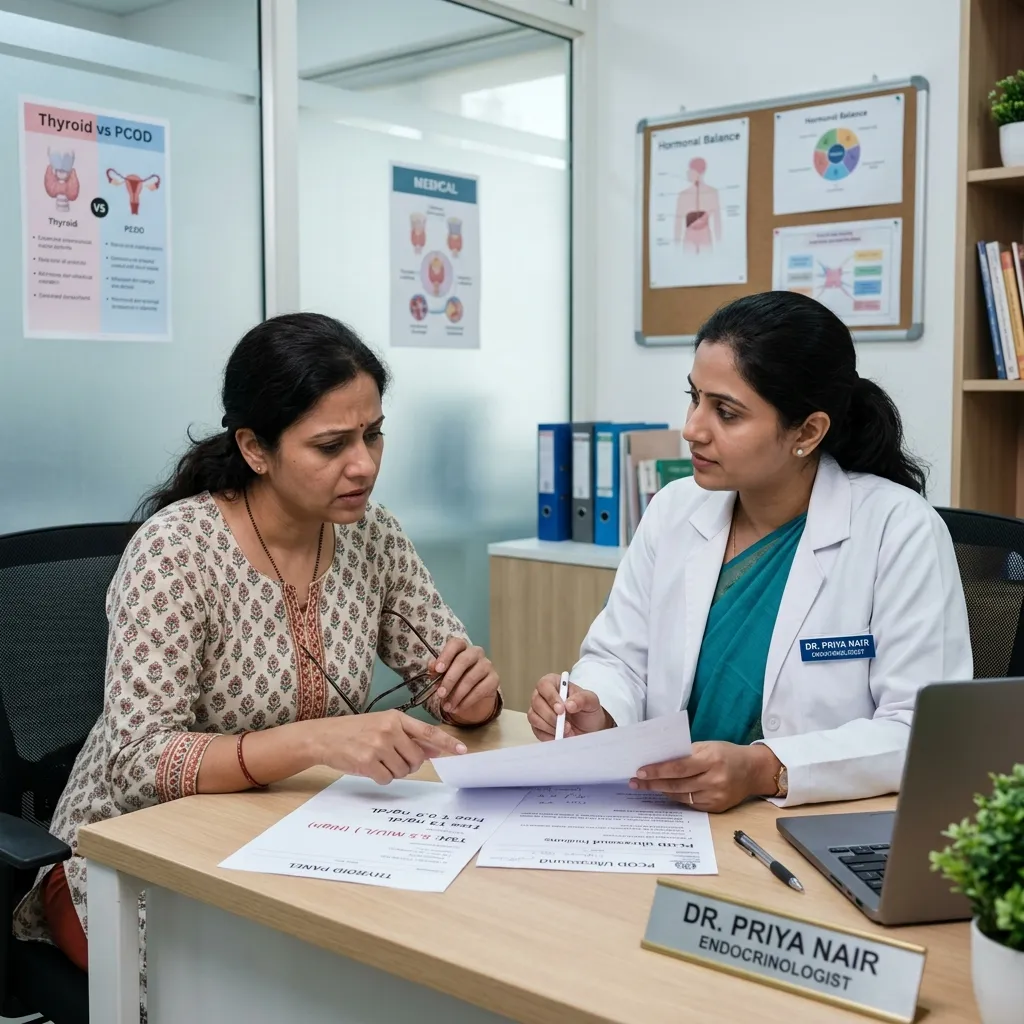
You cannot diagnose either condition based on symptoms alone. In fact, many women are shocked to discover they have both conditions simultaneously, as one can trigger the other.
To get a definitive answer, you need a targeted blood workup:
For Thyroid: A Complete Thyroid Profile (TSH, Free T3, Free T4) will show if your gland is producing enough metabolism-regulating hormones.
For PCOD: A comprehensive hormonal panel is required. This usually includes Luteinizing Hormone (LH), Follicle-Stimulating Hormone (FSH), Testosterone, Prolactin, and Fasting Insulin.
Taking Back Control
The most important thing to remember is that both Thyroid issues and PCOD are highly manageable. You don’t have to live with the exhaustion, the weight gain, or the irregular cycles. Once you know exactly what you’re fighting, the treatment—whether it’s a simple daily pill for your thyroid or lifestyle and hormonal management for PCOD—can dramatically restore your quality of life.
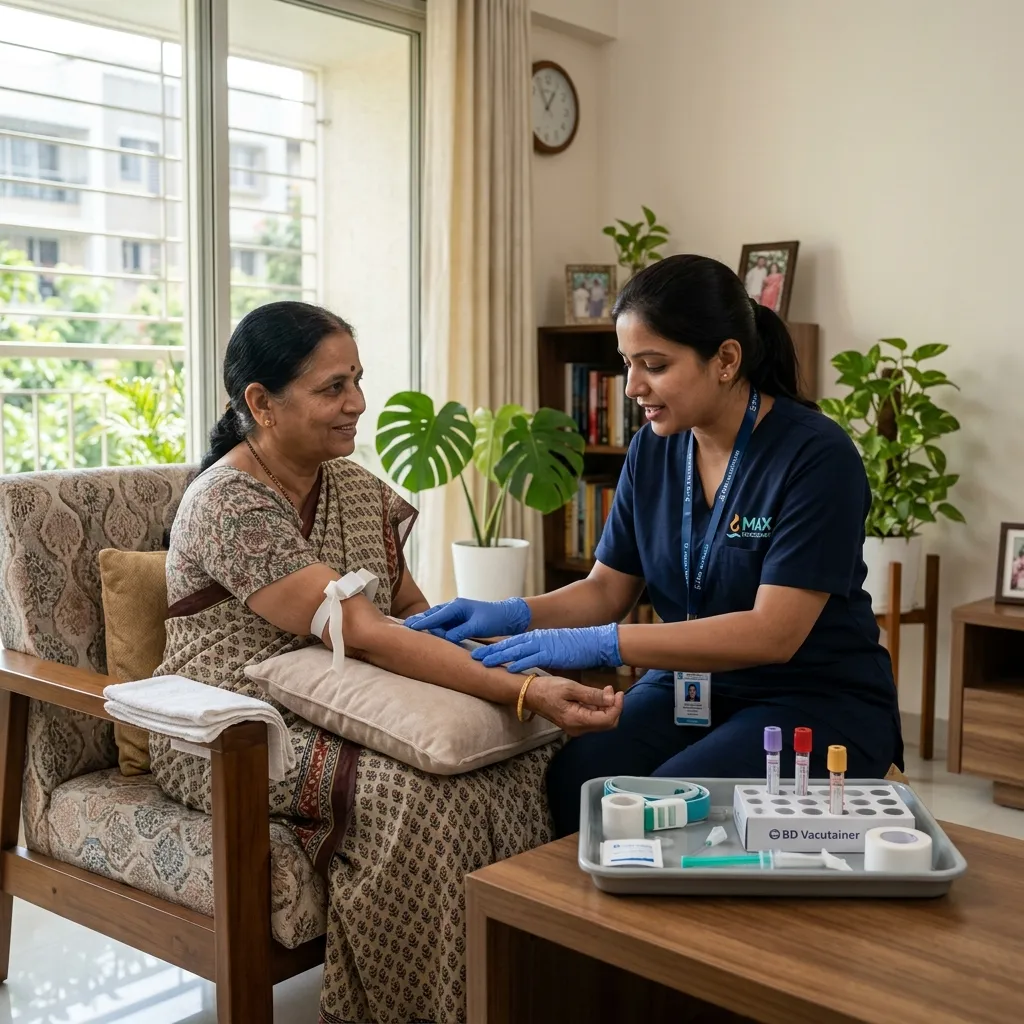
Don't wait months for a clinic appointment. BookMyPatho offers comprehensive Women's Hormonal Packages that test for both Thyroid and PCOD in a single home visit. Get tested tomorrow morning, understand your body by evening, and take the first step towards feeling like yourself again.