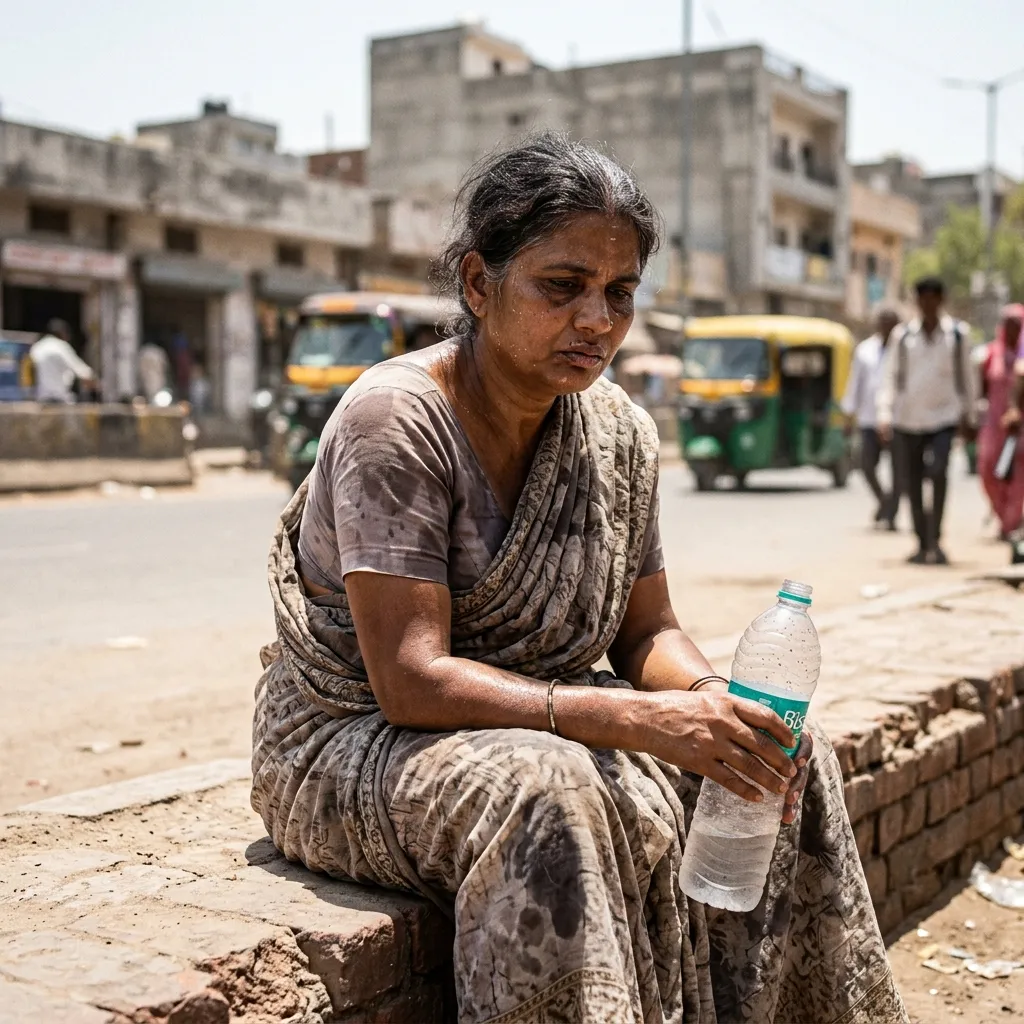
May in Delhi. The mercury is flirting with 47°C. Your AC is running 24/7. You step outside for 10 minutes to buy vegetables and come back feeling like you've just completed a marathon in the Sahara. Your shirt is soaked, your head is pounding, and the first thing you do is chug a bottle of ice-cold water.
Here's the problem: you just replaced the water, but not the salt. And that distinction — water vs. electrolytes — is the difference between feeling refreshed and ending up in an emergency room with muscle cramps, dangerously low blood pressure, and kidneys that are screaming for help.
What Are Electrolytes and Why Do They Matter?
Electrolytes aren't some fancy sports drink marketing term. They're essential minerals dissolved in your blood and body fluids — primarily sodium, potassium, chloride, and bicarbonate. Every single cell in your body depends on them to function. Your heart beats because of electrolytes. Your muscles contract because of electrolytes. Your brain sends signals because of electrolytes.
When you sweat heavily in Delhi's brutal summers, you don't just lose water — you lose sodium and potassium. Drink plain water without replacing these minerals, and you dilute your blood's electrolyte concentration. This is called hyponatremia (low sodium), and in severe cases, it can cause seizures and even be fatal. Ironic, right? Drinking too much water can actually be dangerous if you're not replacing what you've lost.
Signs You're More Than "Just Thirsty"
- The Headache That Won't Quit: You've been drinking water all day, but your head still throbs. That's not a water headache — it's an electrolyte headache.
- Muscle Cramps at Night: Calf cramps at 3 AM after a hot day? Low potassium and magnesium. Your muscles literally can't relax without them.
- Brain Fog in the Afternoon: Feeling mentally slow, confused, or irritable despite drinking "enough" water? Your brain runs on sodium balance.
- Heart Palpitations: Your heart fluttering or skipping beats after being in the heat? Potassium imbalance directly affects your heart rhythm.
- Dark Yellow Urine: The simplest dehydration test. If your urine looks like apple juice, you're already significantly dehydrated.
Who's at the Highest Risk in Delhi Summers?
- Outdoor workers: Delivery riders, construction workers, street vendors — anyone spending hours in direct sun
- Elderly parents at home: Older adults have a blunted thirst mechanism. They literally don't feel thirsty even when severely dehydrated
- People on blood pressure medication: Many BP meds are diuretics — they make you pee more, flushing out electrolytes faster
- Gym-goers: That intense workout in May plus heavy sweating minus proper electrolyte replacement? Recipe for kidney stress
The Tests That Check Your Electrolyte Balance
| Test | What It Checks | Normal Range |
|---|---|---|
| Serum Sodium | Hydration balance, brain function | 136–145 mEq/L |
| Serum Potassium | Heart rhythm, muscle function | 3.5–5.0 mEq/L |
| Serum Chloride | Acid-base balance | 98–106 mEq/L |
| Kidney Function (KFT) | Whether dehydration is straining your kidneys | Creatinine: 0.7–1.3 mg/dL |
The Smart Summer Strategy
Forget the "8 glasses a day" rule. In Delhi summers, you need 3-4 litres minimum. But more importantly, don't just drink plain water all day. Add a pinch of salt and a squeeze of lemon to your water bottle. Drink nimbu paani, chaas (buttermilk), and coconut water — these are natural electrolyte solutions that our grandmothers knew about long before Gatorade existed.
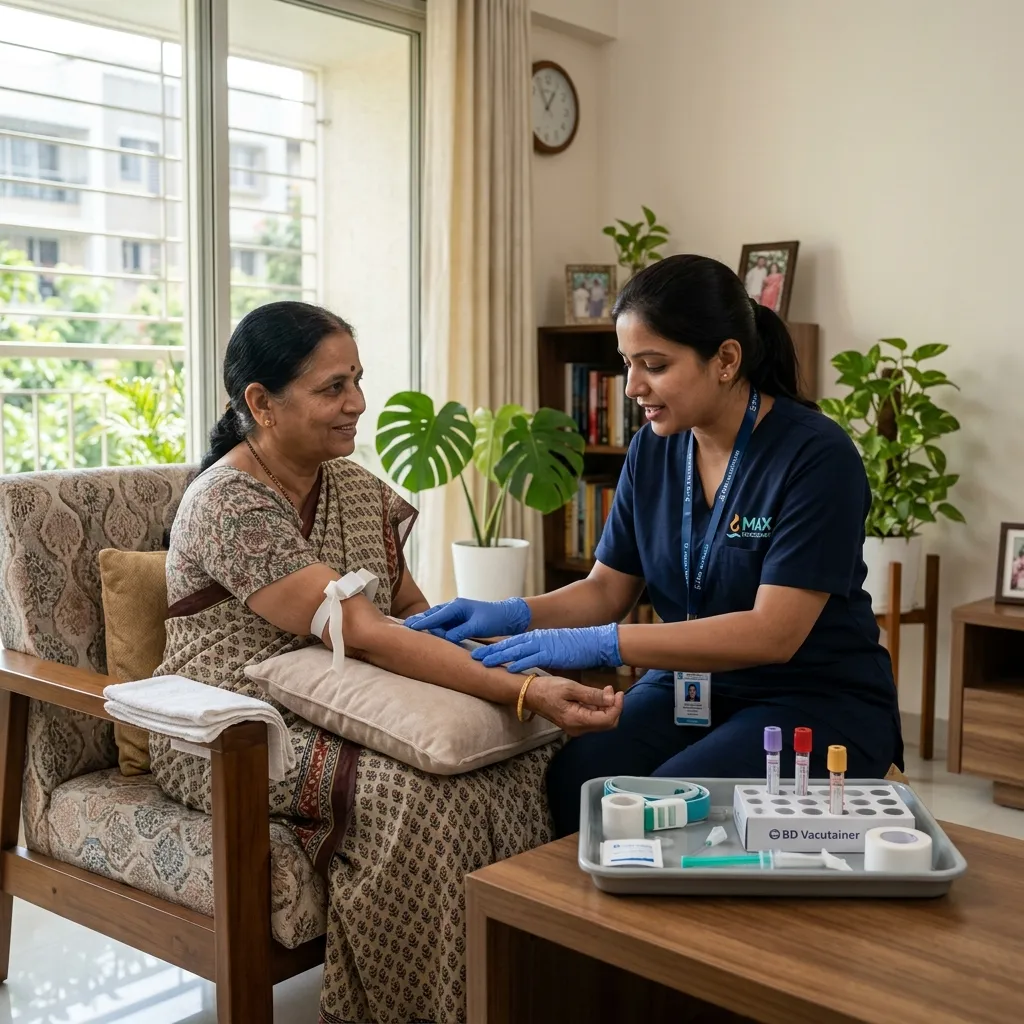
If you're feeling off despite "drinking enough water," an electrolyte panel at BookMyPatho takes one blood draw and gives you exact numbers within hours. We collect at your home — because in 47°C heat, nobody should have to stand in a lab queue.