Indian weddings involve months of intense planning. Families obsess over venues, caterers, jewelry, and outfits. We match horoscopes (Kundlis) to ensure cosmic compatibility and a prosperous future. Yet, when it comes to the actual biological reality of spending a lifetime together—and potentially having children—most couples walk down the aisle completely blind.
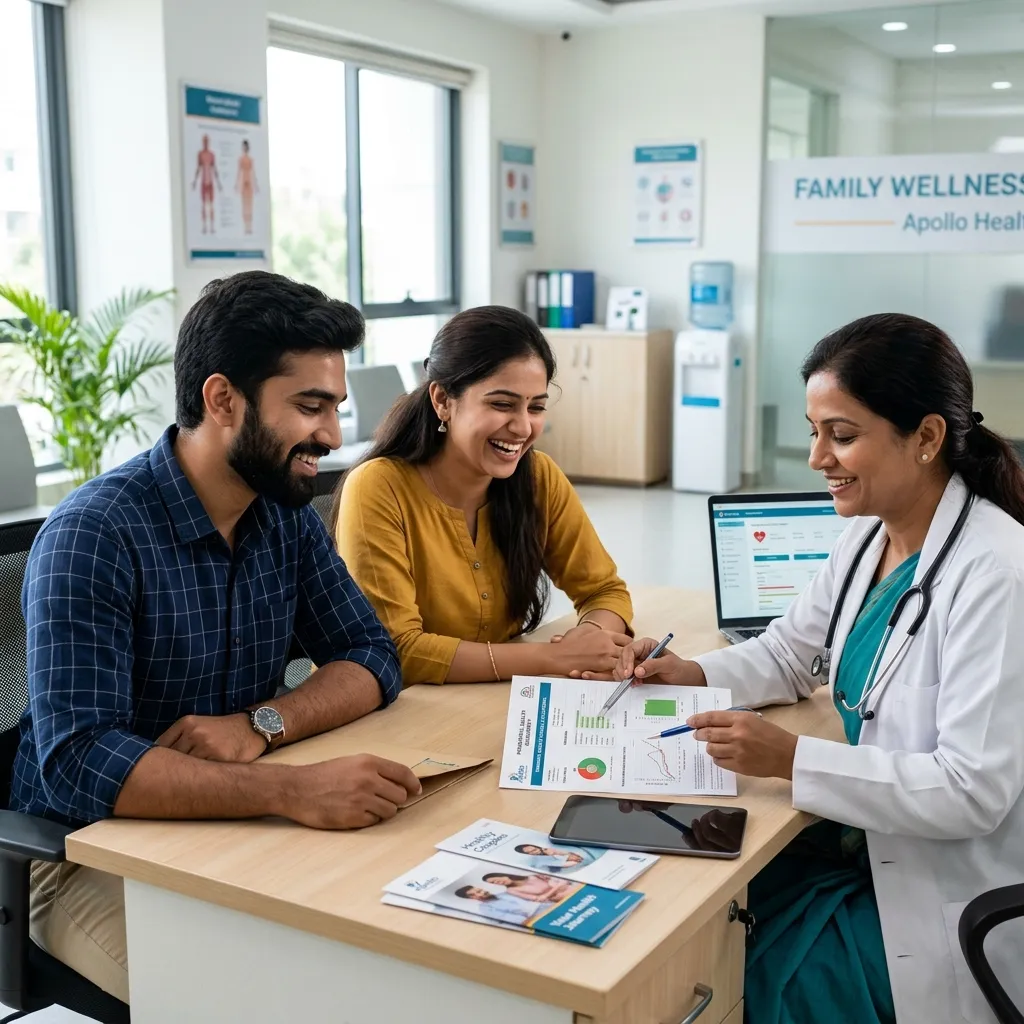
A Premarital Health Checkup is rapidly becoming the modern standard for responsible couples. It is not about judging your partner; it is about transparency, preventing devastating genetic heartbreak, and entering a marriage fully aware of each other’s health landscape.
The 3 Pillars of Premarital Screening
1. The Genetic Safety Net (Thalassemia Screening)
This is the single most important reason for premarital testing. Thalassemia is a severe inherited blood disorder where the body makes an abnormal form of hemoglobin.
Many people carry the Thalassemia "Minor" trait. They are perfectly healthy and have no idea they are carriers. However, if both partners have Thalassemia Minor, there is a 25% chance that their child will be born with Thalassemia Major—a devastating condition that requires lifelong, painful blood transfusions to survive.
A simple Hb Electrophoresis test can detect carrier status. If both partners are carriers, they can still marry, but they are empowered to use advanced medical interventions (like IVF with genetic screening) to ensure a healthy baby.
2. The Fertility Baseline
Infertility rates are soaring in urban India due to stress, PCOD, and lifestyle factors. Discovering infertility issues years after marriage often leads to immense psychological distress and family tension. Knowing your baseline allows couples to plan realistically.
- For Women: A pelvic ultrasound, Thyroid profile, Prolactin, and occasionally an AMH test (to check egg reserves) or PCOD profile.
- For Men: A semen analysis is the gold standard to check sperm count, motility, and morphology.
3. Infectious Disease Screening
This requires vulnerability, but it is essential for the safety of both partners. Screening for Sexually Transmitted Diseases (STDs) such as HIV, Hepatitis B (HBsAg), Hepatitis C (HCV), and Syphilis (VDRL) ensures that if an infection exists, it can be treated or managed before it is transmitted to the partner or a future child.
4. The General Health Baseline
Entering a marriage means sharing a life, which includes sharing the burden of health crises. Basic screenings like a Lipid Profile, Fasting Sugar/HbA1c, Liver Function, and Kidney Function tests provide a snapshot of metabolic health. If one partner has early-stage diabetes or high cholesterol, the couple can tackle it together through shared diet and lifestyle changes.
Start Your Marriage With Transparency
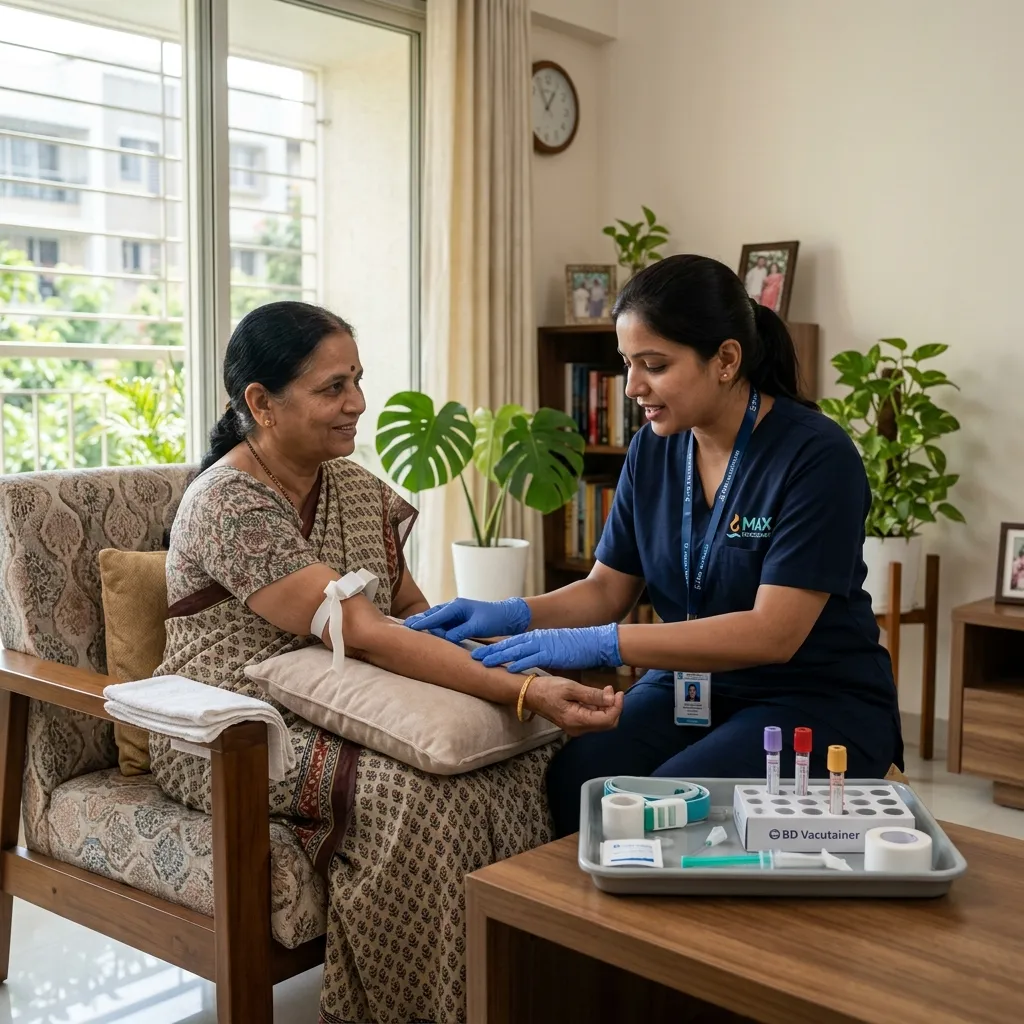
The greatest gift you can give your future spouse is the truth about your health. At BookMyPatho, we offer highly confidential, comprehensive Premarital Health Packages for couples. Our phlebotomists collect samples from the privacy of your home, ensuring a discreet, comfortable experience. Build your marriage on a foundation of reality, health, and profound care.