In modern pathology, automated 5-part hematology analyzers process hundreds of blood tubes every hour. High-speed lasers count millions of cells in seconds and print out neat numerical tables. But when an analyzer detects an unusual optical signal—a cell that is too large, too small, or strangely shaped—it prints a warning flag: "Review Peripheral Blood Smear."
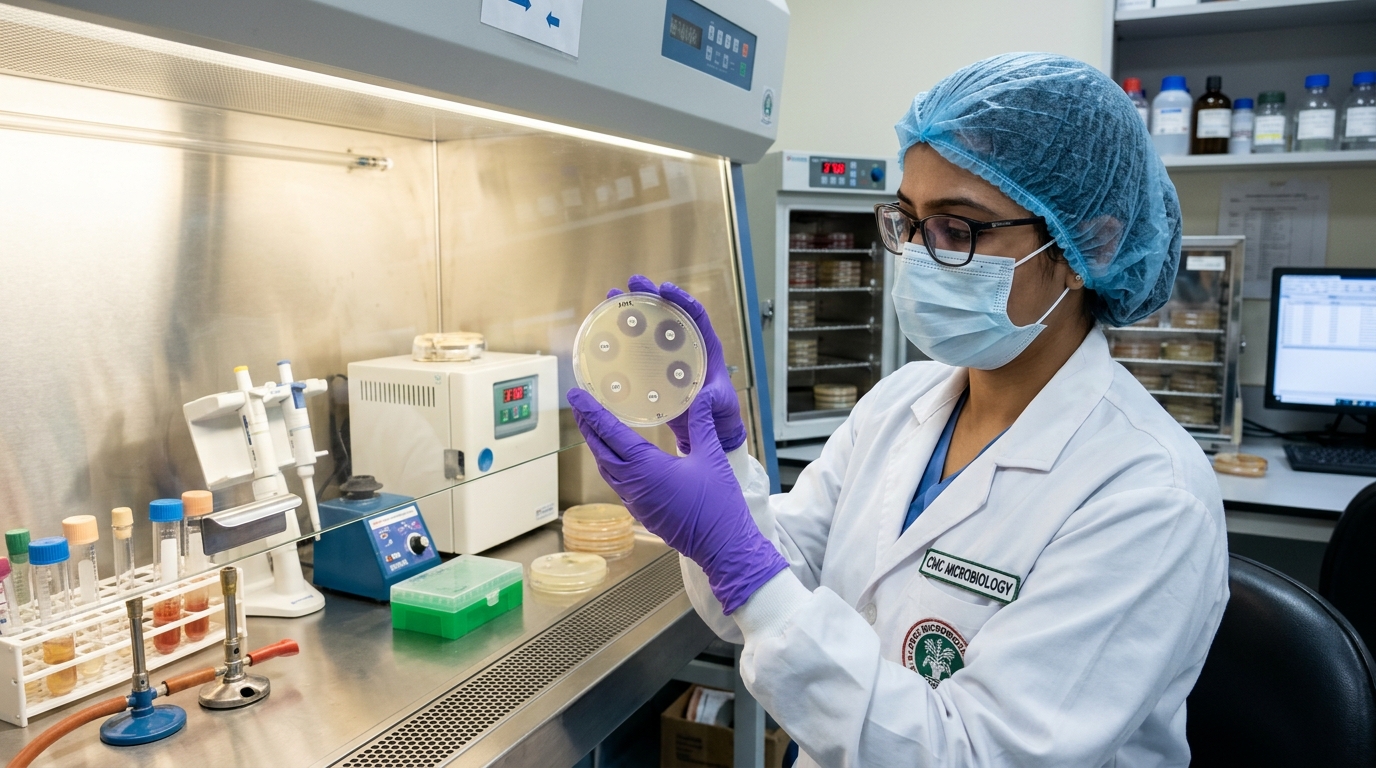
Despite all our modern technology, nothing in medicine replaces the trained eyes of an expert MD Pathologist examining a stained glass slide under high-magnification microscopy. This gold-standard manual review is called a Peripheral Blood Smear (PBS) Examination.
How a Blood Smear is Made
A technician places a single tiny droplet of whole blood onto a clean glass slide. Using a second slide at a 30-degree angle, they smoothly spread the blood across the glass to create a microscopically thin, single-cell layer with a feathered edge. The slide is stained with Romanowsky stains (Leishman or Giemsa) and examined under a 100x oil-immersion lens.
What the Pathologist Discovers Under the Lens
1. Red Blood Cell Architecture (Morphology)
- Microcytic Hypochromic: Pale, tiny cells typical of severe iron deficiency or Thalassemia minor.
- Macrocytic Megaloblastic: Giant, oval red blood cells pointing directly to Vitamin B12 or Folate deficiency.
- Sickle Cells or Target Cells: Genetic hemoglobinopathies.
2. Infectious Parasites
A manual smear remains the definitive method to visually spot the ring-stage trophozoites of Plasmodium falciparum or vivax (Malaria) living inside red blood cells, or microfilariae in lymphatic filariasis.
3. Atypical White Blood Cells & Blasts
A manual smear can spot immature blast cells (leukemia), toxic granulation during severe bacterial sepsis, or atypical reactive lymphocytes during viral infections (mononucleosis or dengue).
4. True Platelet Clumping vs. Pseudo-Thrombocytopenia
Sometimes an automated machine reports a terrifyingly low platelet count of 20,000, sending a patient into panic. When the pathologist looks at the slide, they discover the platelets are actually completely normal—they simply clumped together in the test tube! A PBS prevents unnecessary platelet transfusions.
Every complex blood test at BookMyPatho is verified by accredited MD Pathologists in NABL-certified laboratories across Delhi NCR.
Recommended Lab Tests & Packages to Book at Home
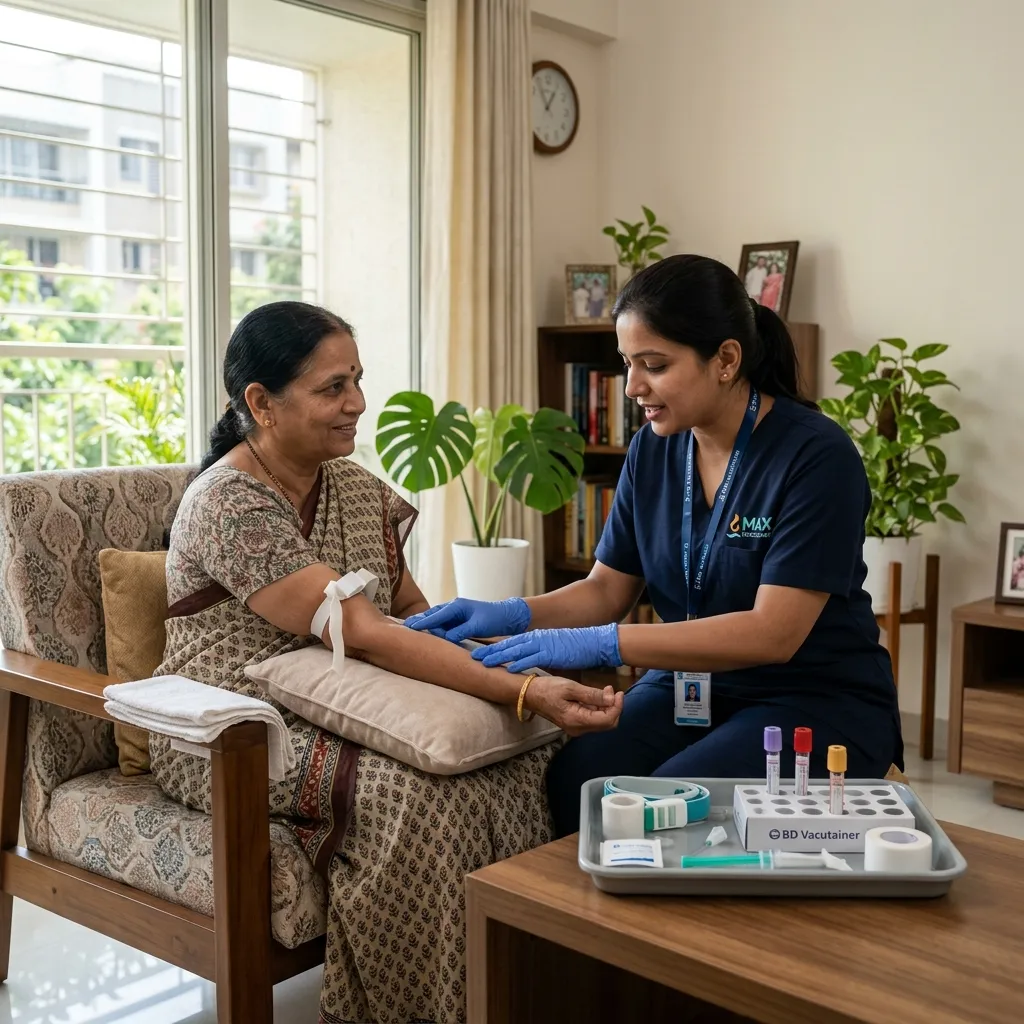
If you or a loved one are experiencing these symptoms, you can book these diagnostic tests directly with BookMyPatho. Our trained phlebotomists collect samples from your doorstep across Delhi NCR with digital reports delivered within 12 hours:
- Peripheral Blood Smear (PBS) Examination: Manual microscope analysis by an MD Pathologist for abnormal cells, blasts, and parasites.
- Complete Hemogram (CBC+ESR): High-speed automated cellular counting and hemoglobin quantification.
- Reticulocyte Count: Measures bone marrow production of fresh red blood cells.
Have questions or need assistance selecting the right package? Call or WhatsApp our Delhi NCR health desk at +91-8700227153.