If you're a woman in your 20s or 30s dealing with irregular periods, sudden weight gain that won't budge, or stubborn acne along your jawline, you've probably fallen down a WebMD rabbit hole. And chances are, every search led you to four letters: PCOS.
Polycystic Ovary Syndrome (PCOS) is alarmingly common, affecting 1 in 5 Indian women. Yet, the path to getting a proper diagnosis is often frustrating. You go to a doctor, they might order a quick ultrasound, say "you have small cysts," and put you on birth control pills. But here's the catch: an ultrasound alone doesn't give you the full picture. PCOS is a metabolic and hormonal disorder. To truly understand what's misfiring in your body, you need a specific set of blood tests.
The Core PCOS Blood Panel
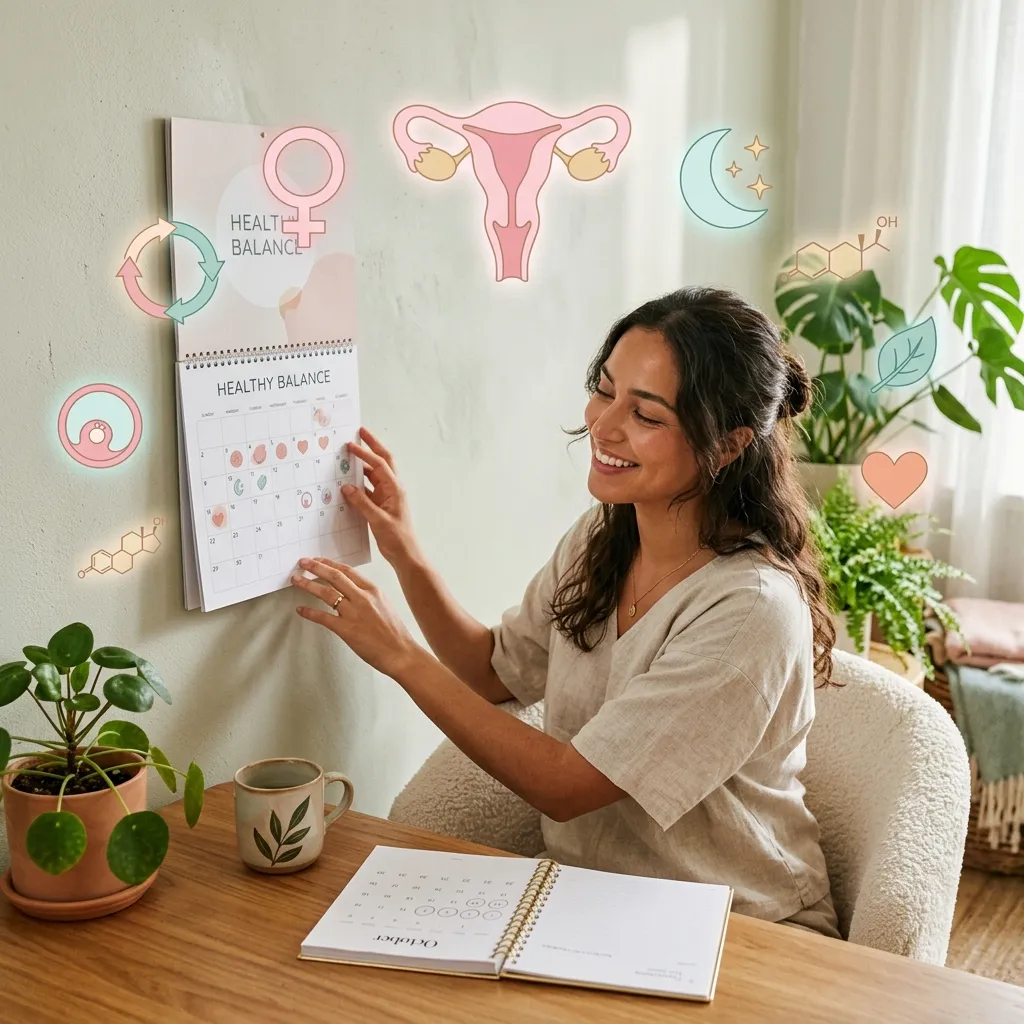
If you suspect you have PCOD/PCOS, here are the exact hormones your doctor will (or should) test. Note: these are usually done on Day 2 or Day 3 of your menstrual cycle when your hormones are at their baseline.
1. LH to FSH Ratio (The Conductor)
Luteinizing Hormone (LH) and Follicle-Stimulating Hormone (FSH) control your menstrual cycle. In a normal cycle, the ratio is about 1:1. But in women with PCOS, the LH level spikes, making the ratio 2:1 or even 3:1. This imbalance tells your ovaries to stop releasing an egg and instead start producing male hormones. That's what stops your periods.
2. Free and Total Testosterone (The Culprit)
Yes, women produce testosterone too! But PCOS causes the ovaries to produce too much of it. This excess male hormone is the direct cause of the most frustrating symptoms: facial hair growth (hirsutism), jawline cystic acne, and thinning hair on your scalp.
3. Fasting Insulin & Blood Sugar (The Root Cause)
This is arguably the most important test. Up to 70% of women with PCOS have insulin resistance. This means your body produces insulin, but your cells ignore it. So, your pancreas pumps out even more insulin. High insulin forces the ovaries to make more testosterone, creating a vicious cycle. If your fasting insulin is high, fixing your diet will fix your PCOS.
4. Thyroid (TSH) and Prolactin (The Mimics)
Sometimes, what looks exactly like PCOS is actually an underactive thyroid (hypothyroidism) or elevated prolactin levels. Both can cause weight gain and stop your periods. Your doctor runs these to rule out other culprits.
Taking Control of Your Data
The beauty of finally getting these blood tests done is that PCOS stops being a mystery. Once you see that your insulin is high, or your LH is dominating, you and your doctor can create a targeted plan—whether that's medication, strength training, or a low-glycemic diet.
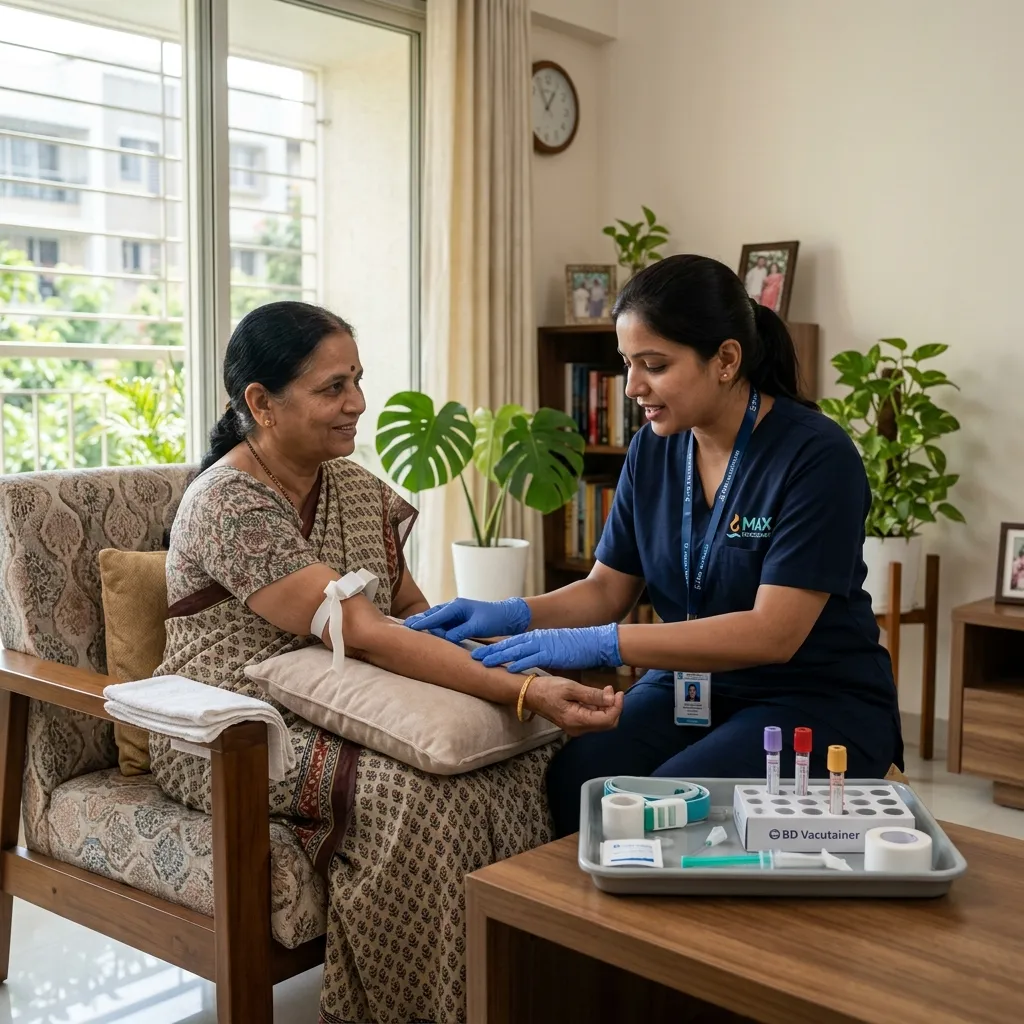
You don't need to stress about clinic visits either. BookMyPatho offers a comprehensive PCOD/PCOS Profile that can be collected right from your bedroom on Day 2 of your cycle. No waiting rooms, just clear, accurate answers delivered to your phone.