Let me paint you a picture that plays out in thousands of Delhi homes every year. A 42-year-old man — fit-looking, no complaints, plays weekend cricket — suddenly collapses at the office with a heart attack. His family is stunned. "But he looked so healthy!" they keep saying.
Here's what nobody knew: his arteries had been quietly clogging up for over a decade. The culprit? Cholesterol. And the thing about cholesterol is that it doesn't send you a WhatsApp notification before it blocks your arteries. There are zero symptoms. None. Nothing. You feel completely fine right until you're not.
A simple Lipid Profile test — which takes two minutes and costs less than your Zomato order — would have caught it years ago.
What Does a Lipid Profile Actually Test?
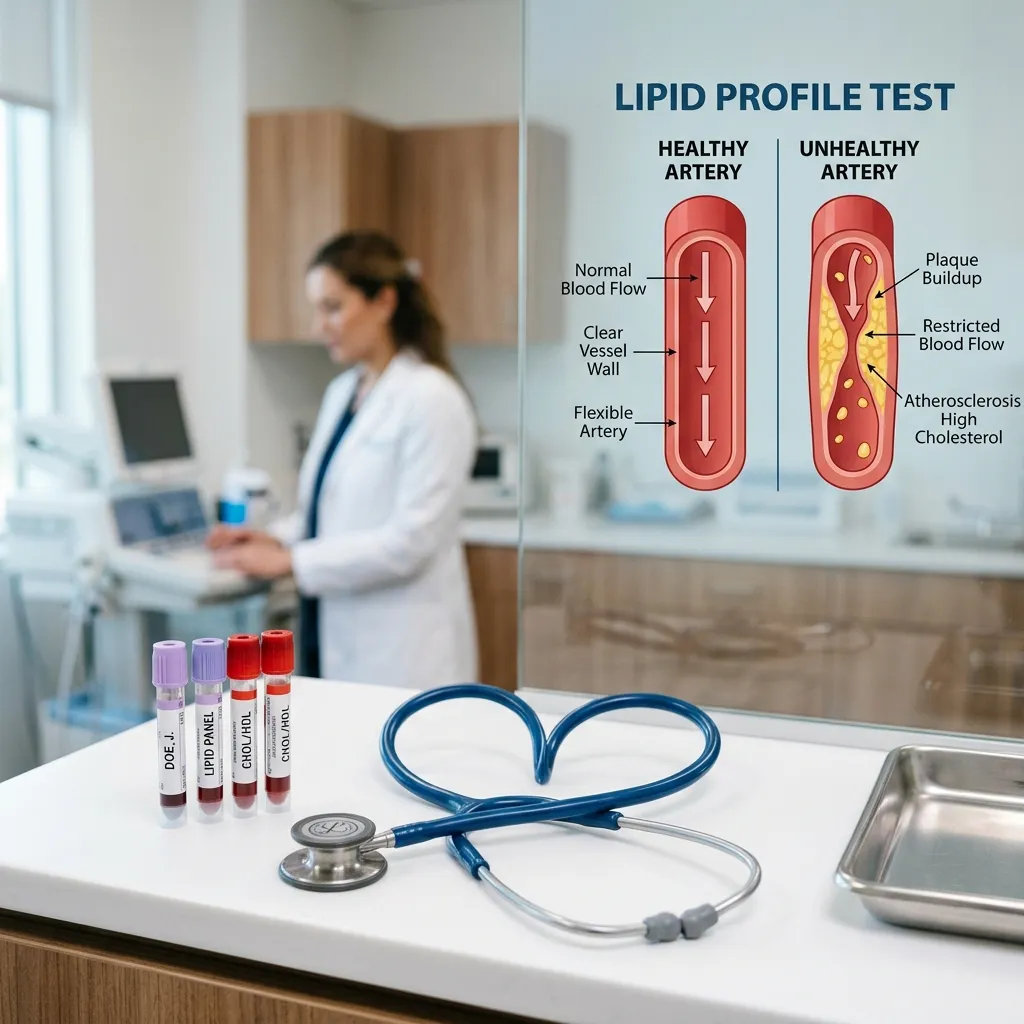
When your report arrives, you'll see four main numbers. Think of them as a traffic report for your blood vessels:
- Total Cholesterol: The overall score. Ideally under 200 mg/dL. Think of it as the headline.
- LDL ("Bad" Cholesterol): This is the villain. LDL is sticky gunk that plasters itself onto your artery walls, narrowing them like limescale clogs your bathroom pipes. Below 100 is ideal.
- HDL ("Good" Cholesterol): Your hero. HDL acts like a cleanup crew — it scoops up the bad cholesterol and ferries it back to your liver for disposal. You want this number high. Above 40 for men, above 50 for women.
- Triglycerides: The fat floating in your blood from last night's butter chicken. Under 150 is where you want to be.
The Numbers That Matter
| Parameter | Ideal Range | Danger Zone |
|---|---|---|
| Total Cholesterol | Below 200 mg/dL | Above 240 |
| LDL (Bad) | Below 100 mg/dL | Above 160 |
| HDL (Good) | Above 40 (M) / 50 (F) | Below 35 |
| Triglycerides | Below 150 mg/dL | Above 200 |
Why Indians Get Hit Harder
This is the part nobody talks about. South Asians are genetically predisposed to heart disease. We tend to carry more visceral fat (the dangerous fat around organs), and our HDL levels are naturally lower than Western populations. Add to that our love for ghee, fried snacks at every meeting, and a culture where refusing food is borderline offensive — and you have a recipe for disaster.
Indian men start developing fatty streaks in their arteries as early as their mid-20s. This isn't a disease of old people. It's a ticking clock that starts early.
The Fix Is Boring But It Works
If your numbers are slightly off, your doctor probably won't put you on medication right away. The first prescription is almost always lifestyle: a 30-minute walk after dinner, swapping your evening samosa for a handful of almonds, and — here's the tough one — cutting back on that extra roti soaked in dal.
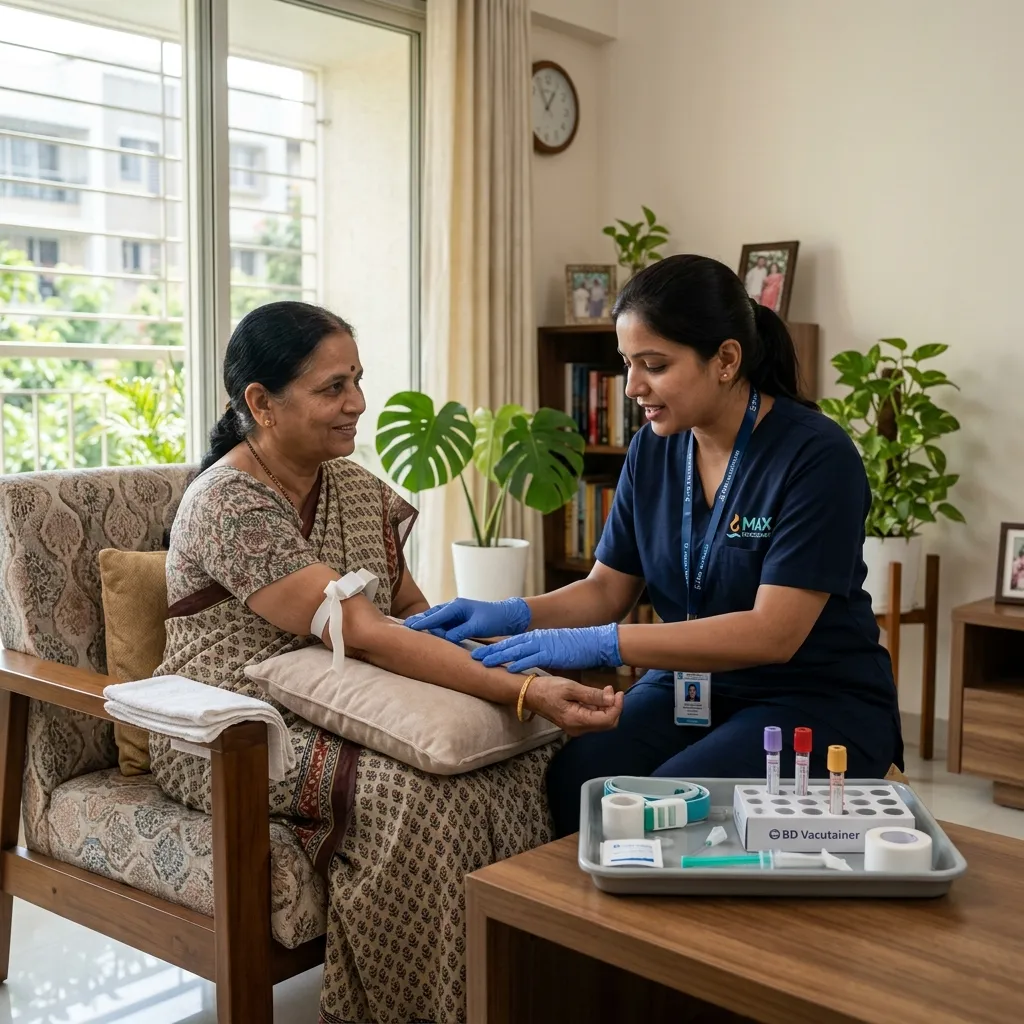
But you can't fix what you can't measure. A lipid profile requires 10-12 hours of fasting. Schedule a BookMyPatho home collection at 7 AM, sleep through the fast, and know your numbers before lunch. That's it. Two minutes of discomfort today versus a stent in your 50s. Easy choice.