Your kidneys are the size of your fist, shaped like rajma beans (fitting, since every Indian aunty will tell you rajma is good for kidneys), and they filter roughly 180 litres of blood every single day. That's the equivalent of filling a bathtub twice over. Every day. Without a break. For your entire life.
They remove waste, balance electrolytes, control blood pressure, regulate red blood cell production, and keep your bones healthy. And just like every other overworked Indian organ, they do it all without complaining — until they're down to about 25% capacity. That's when you finally notice. By then, the damage is often permanent.
Chronic Kidney Disease (CKD) affects over 17% of Indians, and the vast majority don't know it. A Kidney Function Test (KFT) is the only way to catch it early.
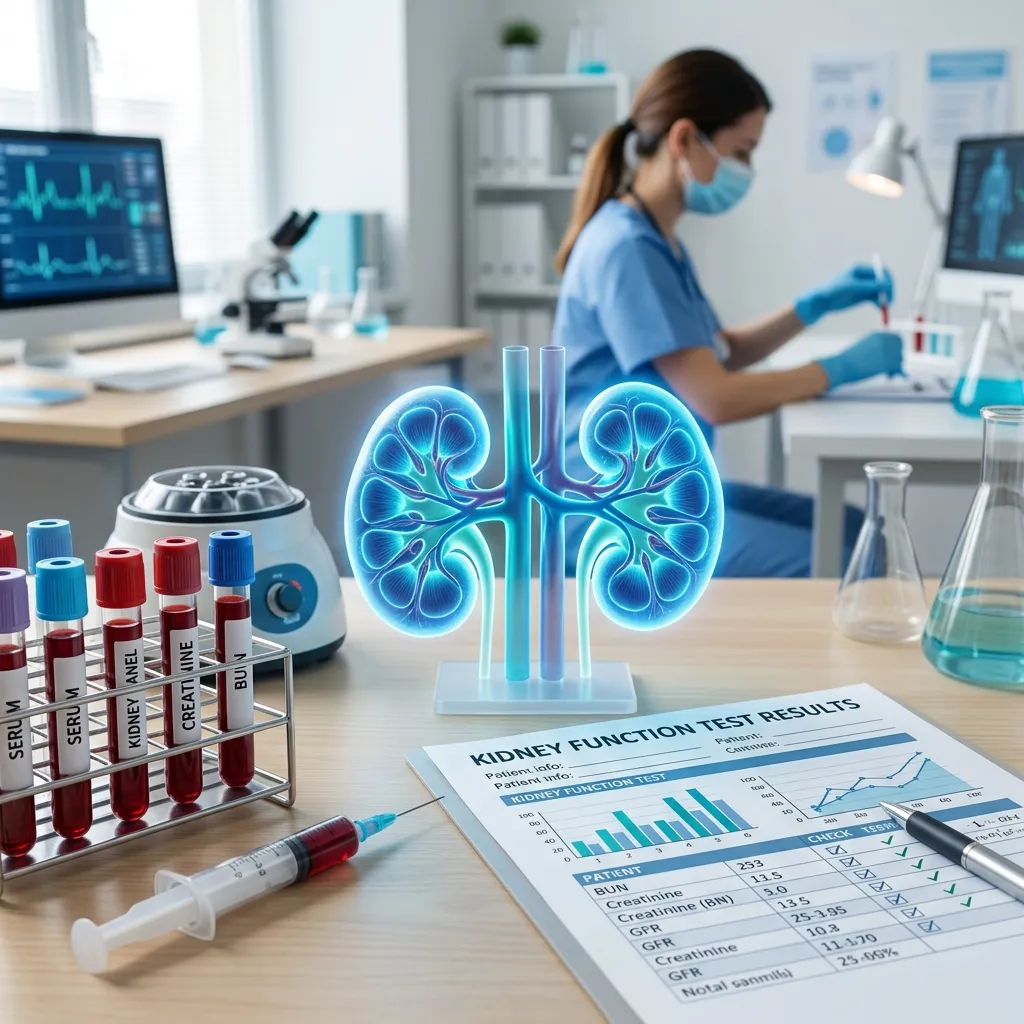
What's in a KFT Report?
- Creatinine: This is the star of the KFT. Creatinine is a waste product from muscle metabolism. Healthy kidneys filter it out efficiently. If creatinine is building up in your blood, your kidneys are falling behind on their job. Normal: 0.7-1.3 mg/dL (men), 0.6-1.1 mg/dL (women).
- Blood Urea Nitrogen (BUN): Urea is another waste product, this one from protein breakdown. Elevated BUN alongside high creatinine is a strong signal of kidney trouble. Normal: 7-20 mg/dL.
- Uric Acid: High levels cause gout (that agonising joint pain, usually in the big toe) and can also indicate kidney stress. Normal: 3.5-7.2 mg/dL (men), 2.6-6.0 mg/dL (women).
- eGFR (Estimated Glomerular Filtration Rate): This is calculated from your creatinine, age, and gender. It tells you what percentage of your kidney function is working. Above 90 is normal. Below 60 means Chronic Kidney Disease. Below 15 means dialysis territory.
The Kidneys' Two Biggest Enemies
If kidney disease were a crime thriller, two suspects would be hauled in for questioning every single time:
- Uncontrolled Diabetes: High blood sugar is like running sandpaper through the delicate filtering units of your kidneys. Over years, it shreds them. This is why every diabetic should get a KFT at least twice a year.
- Uncontrolled Blood Pressure: High BP forces your kidneys to work under extreme pressure (literally). The tiny blood vessels inside get damaged. If you're on BP medication, your doctor should be monitoring your KFT regularly.
Other sneaky kidney killers include: popping painkillers like candy (NSAIDs are brutal on kidneys), not drinking enough water in Delhi's summer heat, and chronic urinary tract infections that go untreated.
When to Get a KFT
- You're diabetic or pre-diabetic
- You have high blood pressure
- You're over 45 and haven't checked in the last year
- You notice foamy or bubbly urine (a sign of protein leaking through damaged kidneys)
- Persistent swelling in your ankles, feet, or around your eyes — especially in the morning
- You take painkillers frequently
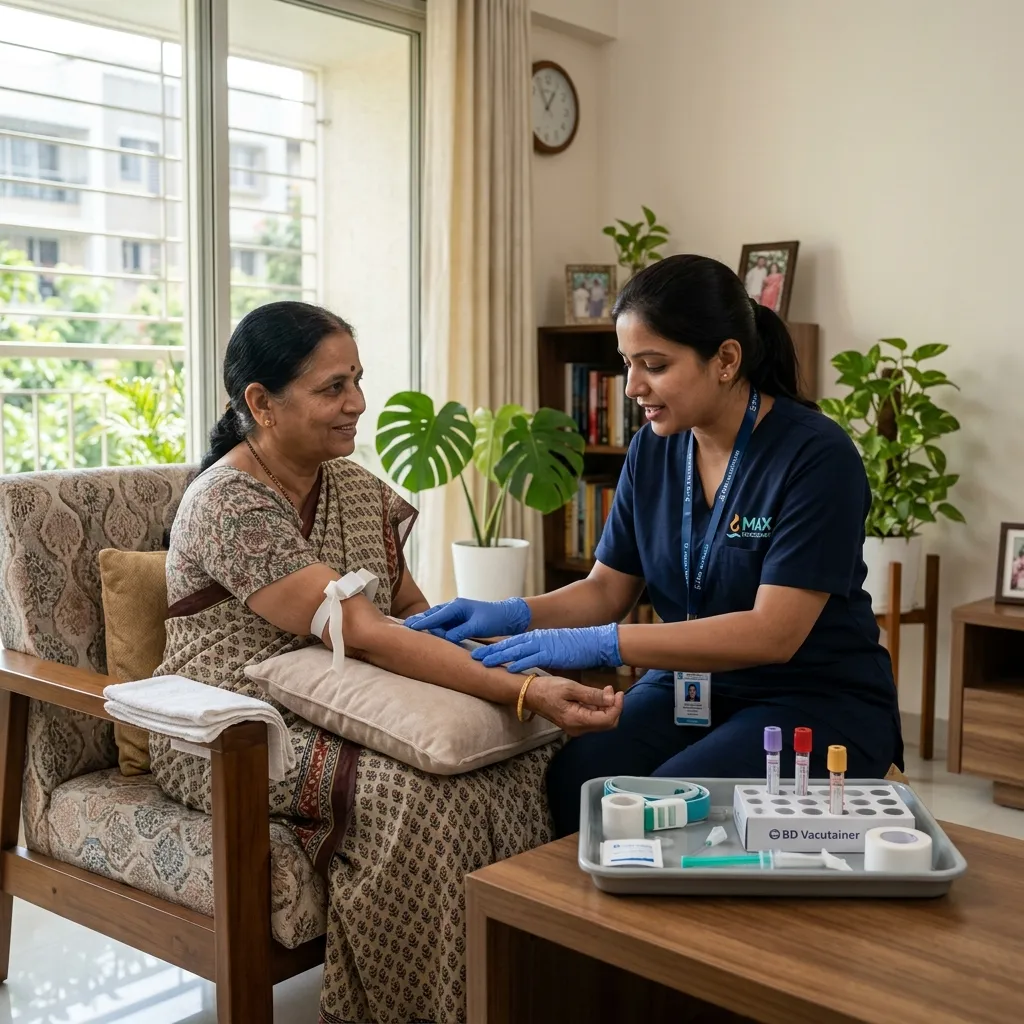
No fasting needed. A quick blood draw at home, digital report by evening. BookMyPatho's phlebotomists are trained to make the process painless — because the last thing your kidneys need is more stress.