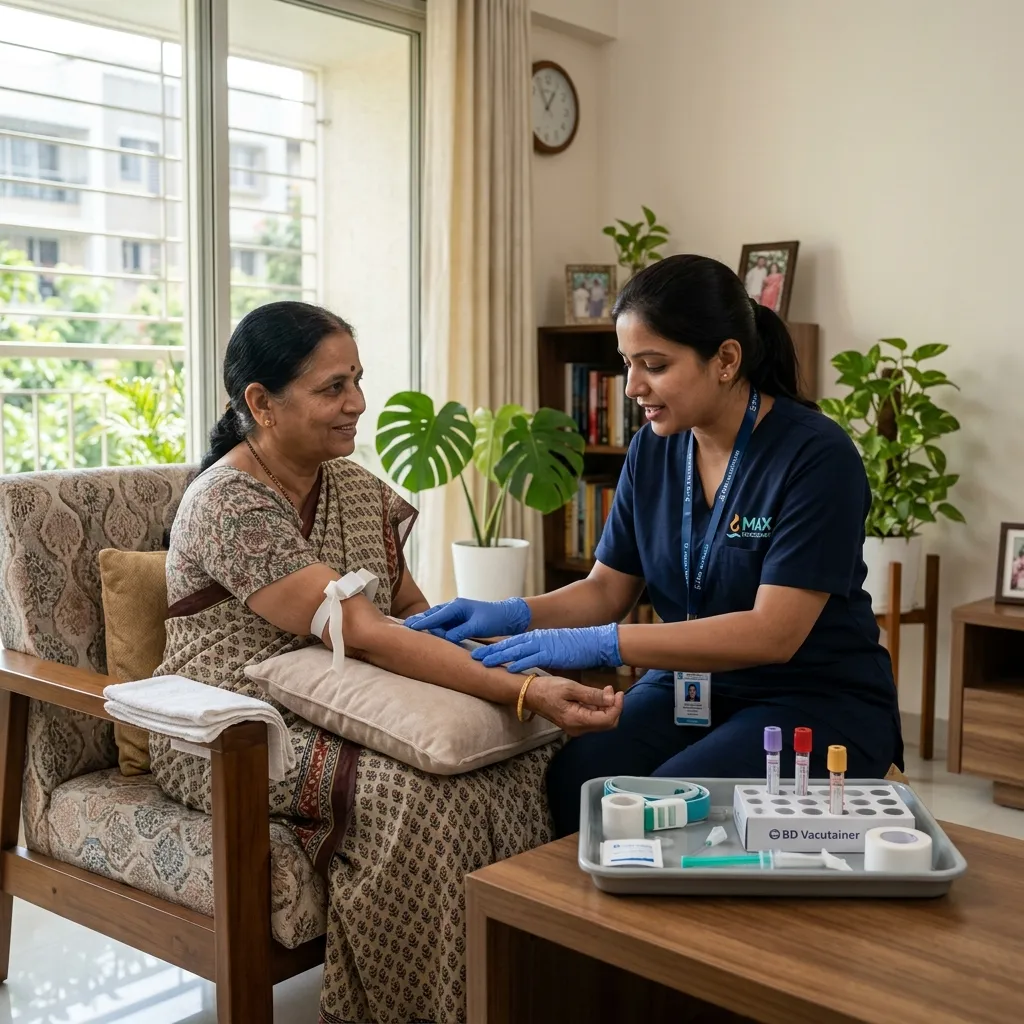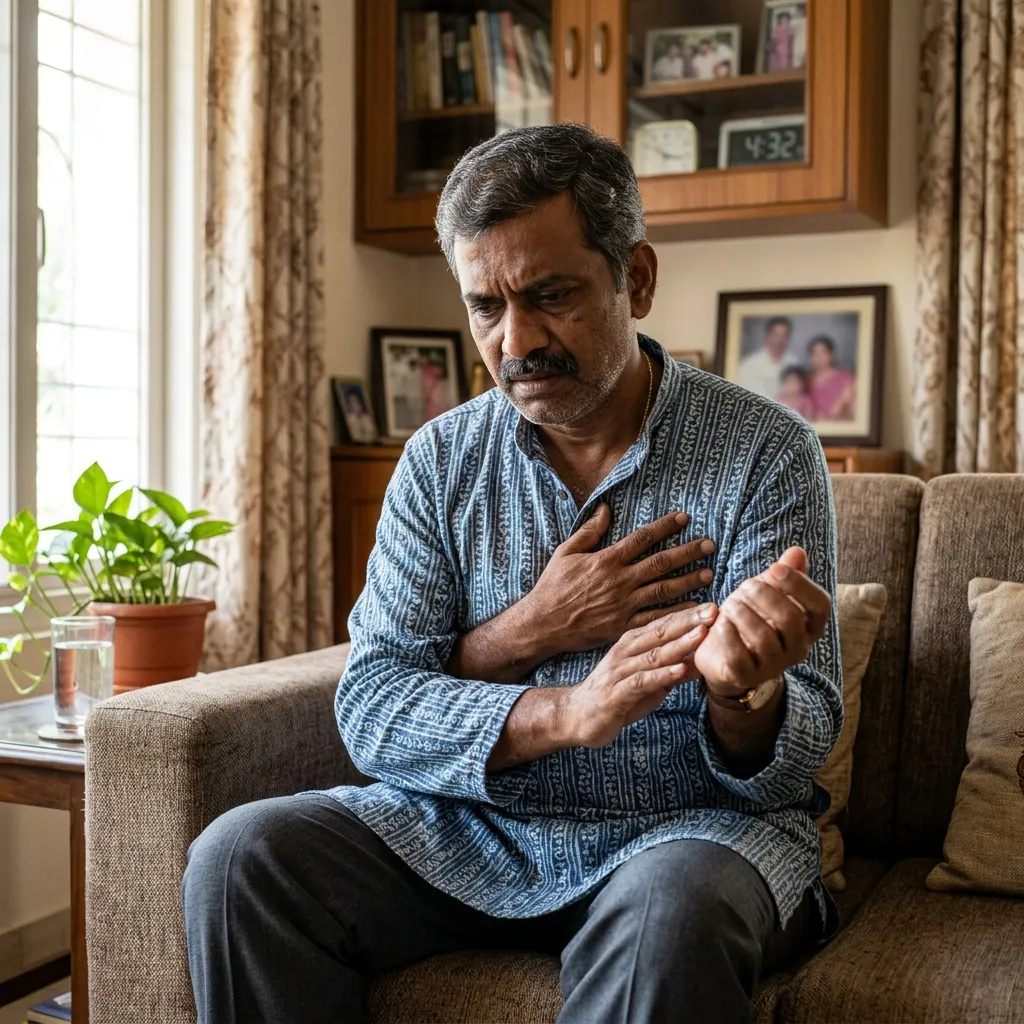
We are witnessing an alarming trend in India: heart attacks are striking younger people, often those in their 30s and 40s who appear outwardly fit and active. The classic 'Hollywood heart attack'—clutching the chest and collapsing—isn't always how it happens in real life.
\n\nRecognizing the Subtle Signs
\n\nA heart attack occurs when blood flow to a part of the heart muscle is blocked. The longer it goes untreated, the more damage the heart sustains. Watch out for these signs, which can sometimes be subtle:
\n\n- \n
- Chest Discomfort: It may feel like uncomfortable pressure, squeezing, fullness, or pain in the center of the chest that lasts more than a few minutes. \n
- Radiating Pain: Discomfort spreading to the arms (especially the left arm), back, neck, jaw, or stomach. \n
- Shortness of Breath: Occurring with or without chest discomfort. \n
- Cold Sweats, Nausea, or Lightheadedness: Often accompanied by a feeling of impending doom. \n
Important Note for Women: Women are more likely than men to experience atypical symptoms, such as severe fatigue, nausea, or back or jaw pain, without the classic chest pressure.
\n\nThe Troponin Test: The Emergency Indicator
\n\nIf you arrive at the emergency room with suspected heart attack symptoms, one of the first blood tests performed will be for Troponin.
\n\nTroponin is a protein found in heart muscle cells. When the heart muscle is damaged (like during a heart attack), troponin leaks into the bloodstream. High levels of troponin are a definitive marker of heart injury. Doctors will often test troponin levels multiple times over a few hours to observe the trend.
\n\nPrevention is Better than Cure
\n\nWhile Troponin is for emergencies, the best strategy is preventing the emergency in the first place. Regular monitoring of your Lipid Profile (cholesterol levels) and blood pressure is essential. Don't wait for a crisis; book a preventive cardiac checkup with BookMyPatho today to know where your heart health stands.