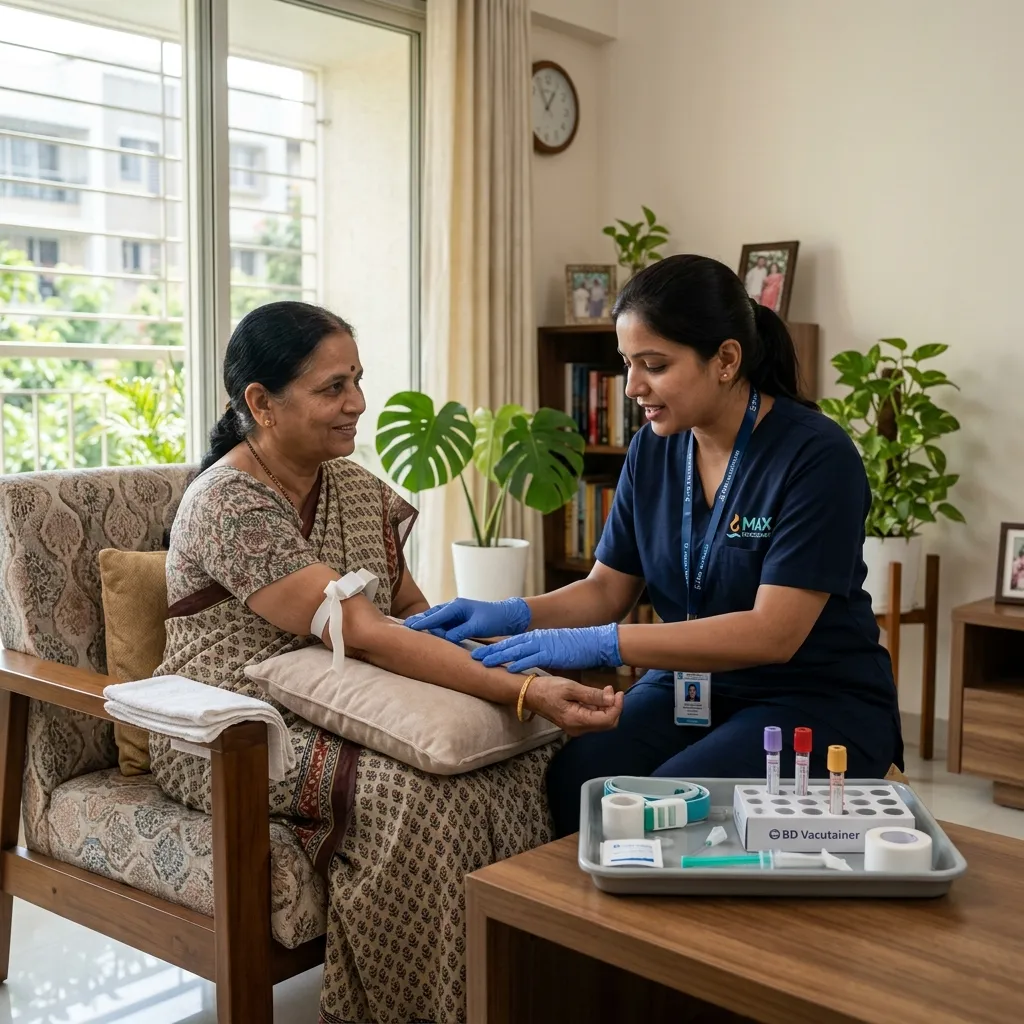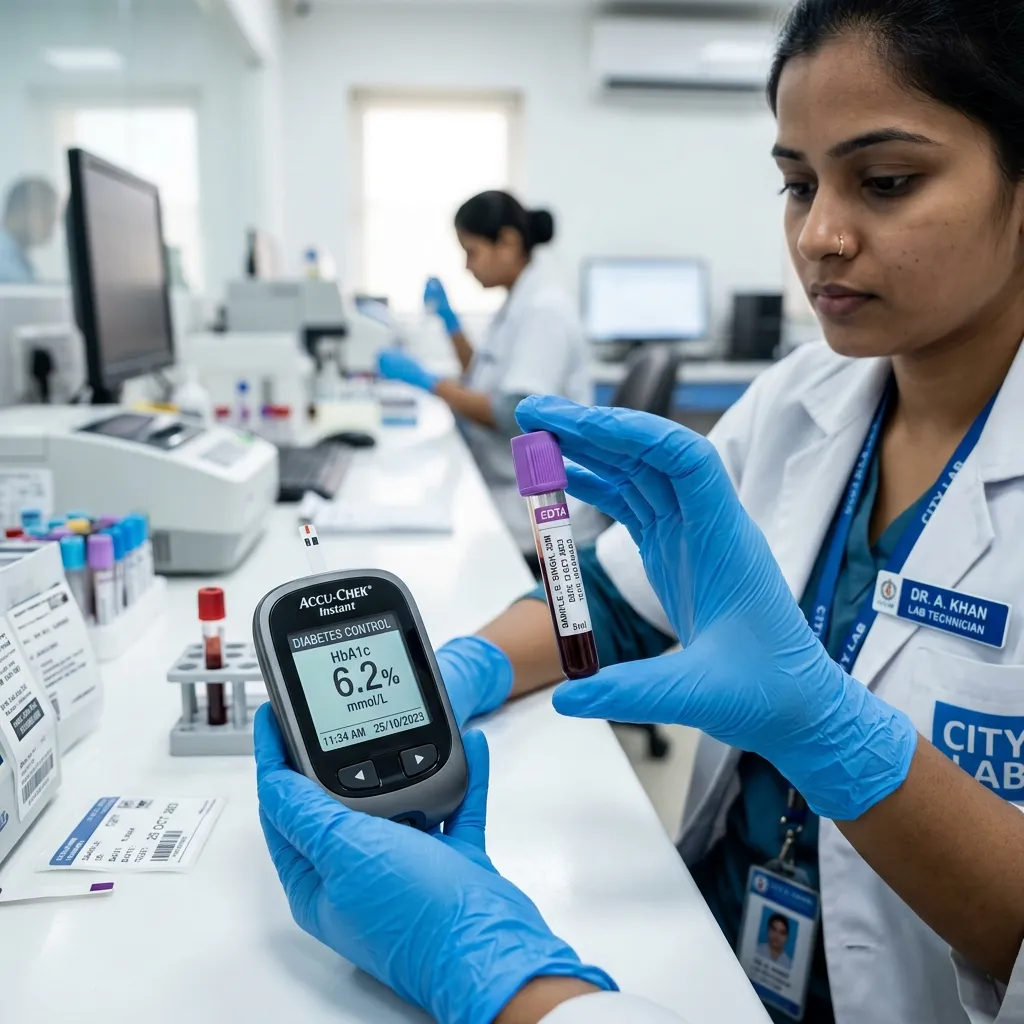
When screening for diabetes, doctors have two primary tools at their disposal: the Fasting Blood Sugar (FBS) test and the HbA1c test. Patients often ask which one is 'better.' The truth is, they measure completely different things, and combining them gives the most accurate picture of your metabolic health.
\n\nThe Snapshot: Fasting Blood Sugar
\n\nFBS requires you to fast for 8-10 hours. It measures the exact amount of glucose in your blood at that precise moment. Think of it like taking a photograph. It shows exactly what is happening right now.\n\nThe Pros: It is highly sensitive to recent changes in your diet or lifestyle. It is the gold standard for diagnosing gestational diabetes.\n\nThe Cons: It can be easily manipulated. If you eat very little for a few days before the test, your FBS might look artificially normal, masking an underlying problem.
\n\nThe Video Camera: HbA1c
\n\nThe HbA1c test measures the percentage of your red blood cells that have sugar attached to them. Because red blood cells live for about 90 days, this test gives an average of your blood sugar over the last 2 to 3 months. Think of it like watching 90 days of surveillance footage.\n\nThe Pros: No fasting required. You cannot cheat the test by fasting for a few days prior.\n\nThe Cons: It can be inaccurate if you have conditions that affect red blood cell lifespan, like severe anemia or certain genetic blood disorders.
\n\nThe Verdict
\n\nNeither is 'better'—they are complementary. A fasting test catches acute spikes, while an HbA1c reveals chronic, long-term exposure to high sugar. A comprehensive diabetes screening package from BookMyPatho will always include both.