Pregnancy hormones do incredible things, like helping your baby grow. But these same hormones can sometimes block the action of the mother's insulin. This is called insulin resistance. If the mother's body can't produce enough extra insulin to overcome this resistance, blood sugar levels rise, resulting in Gestational Diabetes Mellitus (GDM).
\n\nGDM typically develops around the 24th week of pregnancy. Because it rarely causes noticeable symptoms, mandatory screening is essential for the safety of both mother and child.
\n\nThe Risks of Uncontrolled GDM
\n\nIf left untreated, high blood sugar crosses the placenta to the baby. The baby's pancreas responds by producing more insulin, causing the baby to grow too large (macrosomia). This can lead to a difficult delivery, requiring a C-section, and increases the baby's risk of obesity and type 2 diabetes later in life.
\n\nThe Oral Glucose Tolerance Test (OGTT)
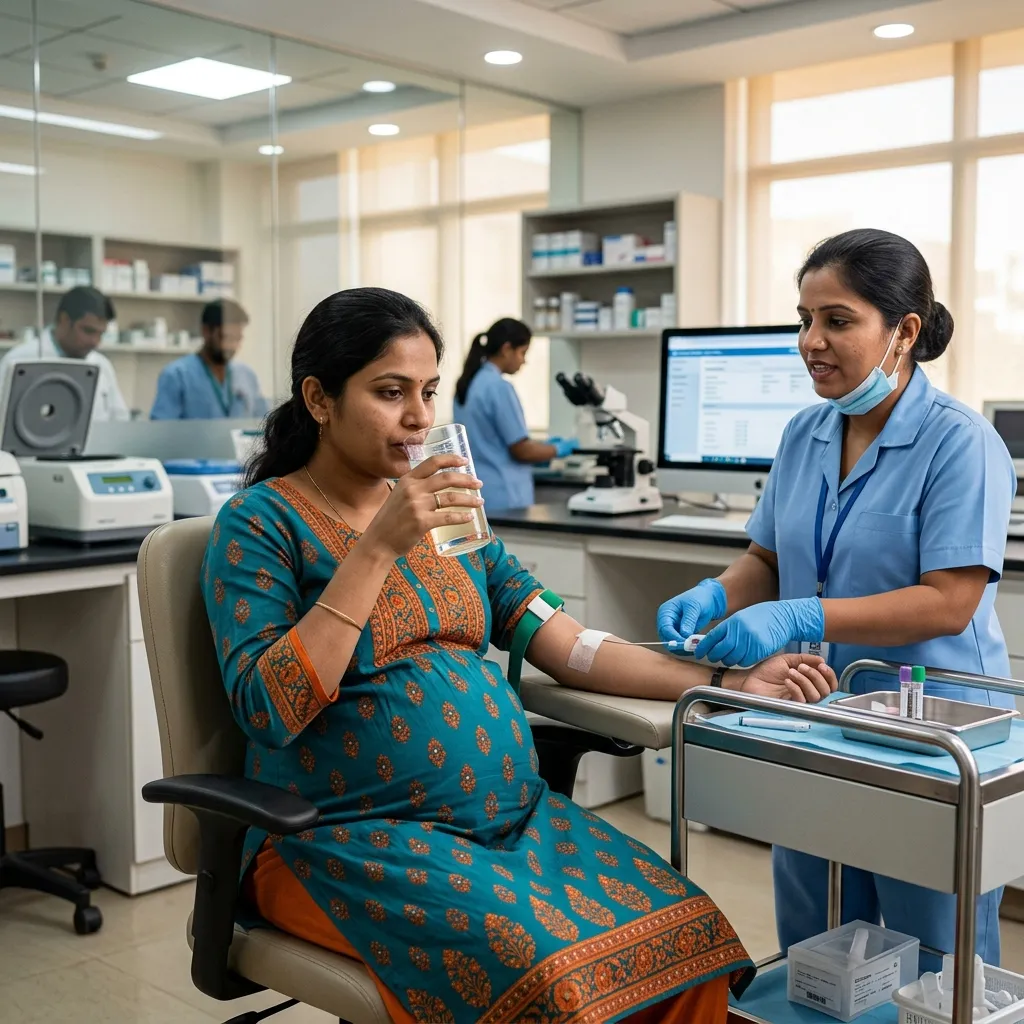
\n\nTo diagnose GDM, your doctor will order an OGTT, usually between weeks 24 and 28. Here is how it typically works:
\n- \n
- You fast overnight and your fasting blood sugar is drawn. \n
- You drink a syrupy glucose solution (usually containing 75g of sugar). \n
- Your blood is drawn again 1 hour and 2 hours after drinking the solution. \n
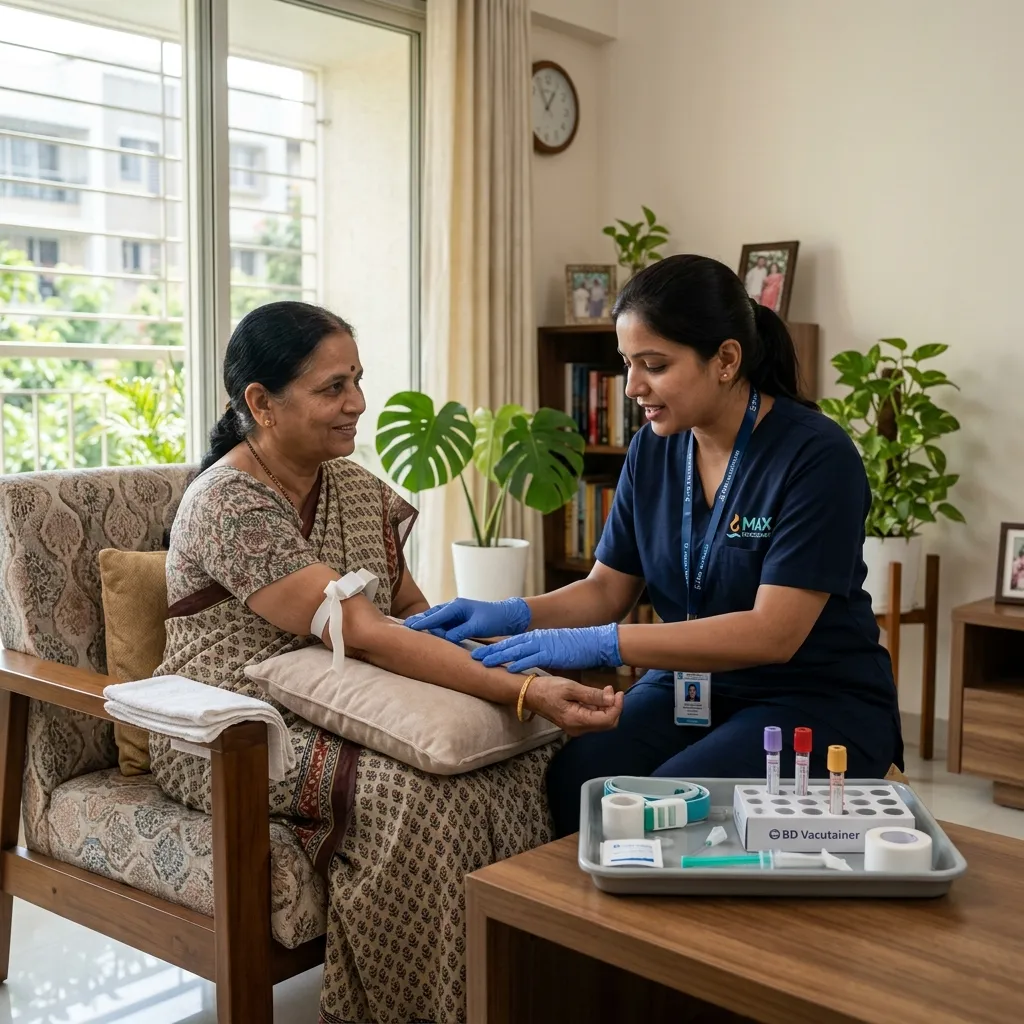
This test shows exactly how well your body processes a heavy sugar load. If diagnosed, GDM can usually be managed effectively with a strict diet and exercise, though some women may need insulin. Schedule your OGTT at home with BookMyPatho so you can rest comfortably between the blood draws.