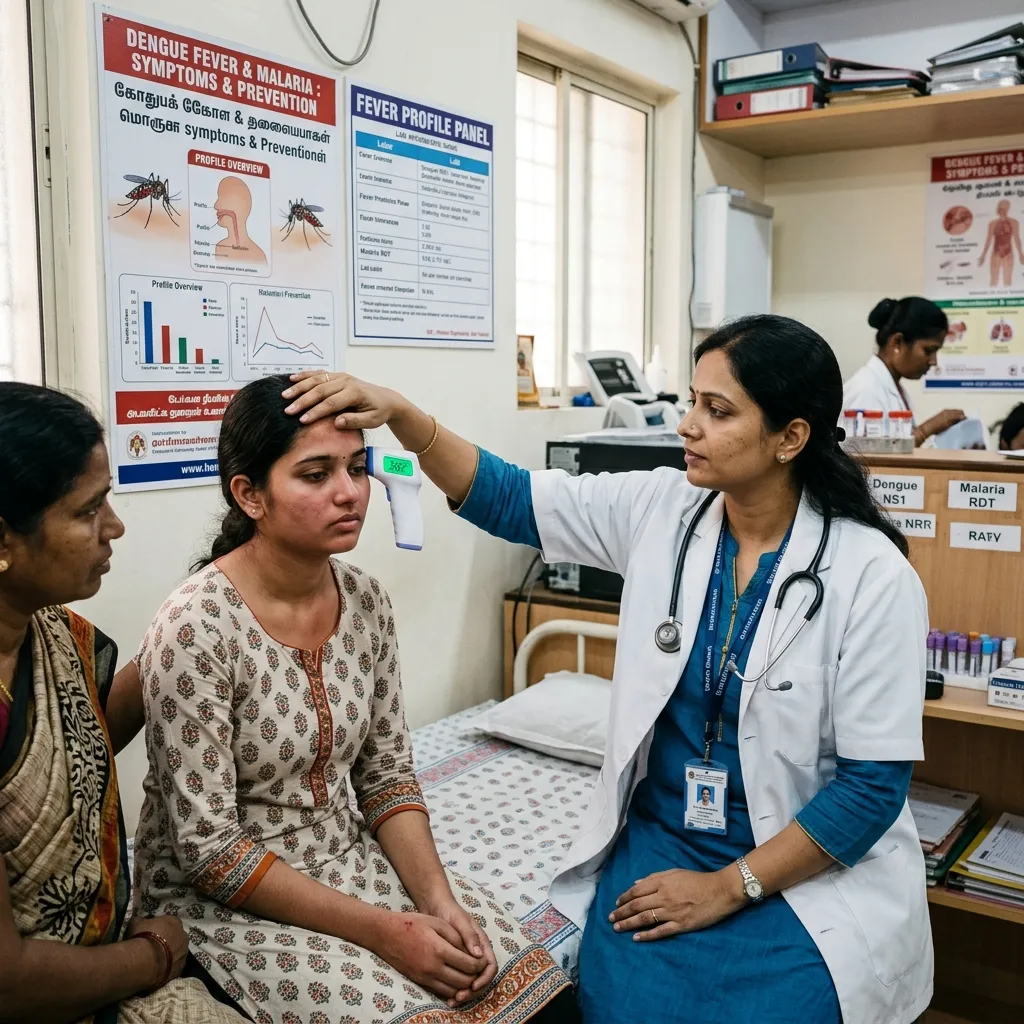
It happens every year like clockwork. The monsoon rains arrive, providing relief from the blistering Delhi heat. But a few weeks later, the hospitals flood with patients. A sudden, violent fever spikes to 103°F. Severe body aches follow, making it painful to even move your eyes. The immediate, terrifying question on everyone's mind is: Is it Dengue?
During outbreak seasons, you cannot afford to "wait and watch" a high fever. Dengue, Malaria, and Typhoid share remarkably similar early symptoms, but their treatments are entirely different. Treating Dengue like a normal viral fever can be fatal. This is where the Fever Profile Blood Test becomes a lifesaver.
The Prime Suspects
1. Dengue (The Bone-Breaker)
Transmitted by the Aedes mosquito (which famously bites during the daytime), Dengue is notorious for causing "breakbone fever"—joint and muscle pain so severe it feels like your bones are fracturing. It also causes a terrifying drop in platelets, the cells responsible for blood clotting.
2. Malaria (The Shaker)
Transmitted by the Anopheles mosquito (which bites at night), Malaria is characterized by severe, shaking chills followed by a high fever and extreme sweating. The malaria parasite actively destroys red blood cells, leading to sudden, severe anaemia.
3. Typhoid (The Slow Burner)
Unlike the mosquito-borne diseases, Typhoid is a bacterial infection spread through contaminated food and water. It causes a prolonged, steadily increasing fever, often accompanied by severe stomach pain, weakness, and sometimes a rash.
Decoding the Fever Profile
A comprehensive Fever Profile doesn't just guess; it uses specific markers to identify the exact invader:
- The CBC (Complete Blood Count): The ultimate first responder. The CBC reveals the immediate state of your blood. In Dengue, doctors look for a rapidly crashing platelet count and a low white blood cell count. In Malaria, they look for suddenly dropping haemoglobin.
- Dengue NS1 Antigen & Antibodies (IgG/IgM): The NS1 antigen test is brilliant because it can detect the Dengue virus from the very first day of the fever. The antibody tests (IgG/IgM) show up a few days later, indicating whether it's a primary or secondary (more dangerous) infection.
- Malarial Parasite (MP) Smear & Antigen: A pathologist literally looks at a smear of your blood under a microscope to spot the actual malaria parasites hiding inside your red blood cells.
- Widal Test / Typhidot: These test for the antibodies your immune system produces to fight the Salmonella typhi bacteria responsible for Typhoid.
Time is of the Essence
With Dengue, the most dangerous phase often occurs after the fever breaks, when plasma can leak from blood vessels. Rapid diagnosis is critical for monitoring hydration and platelet levels.
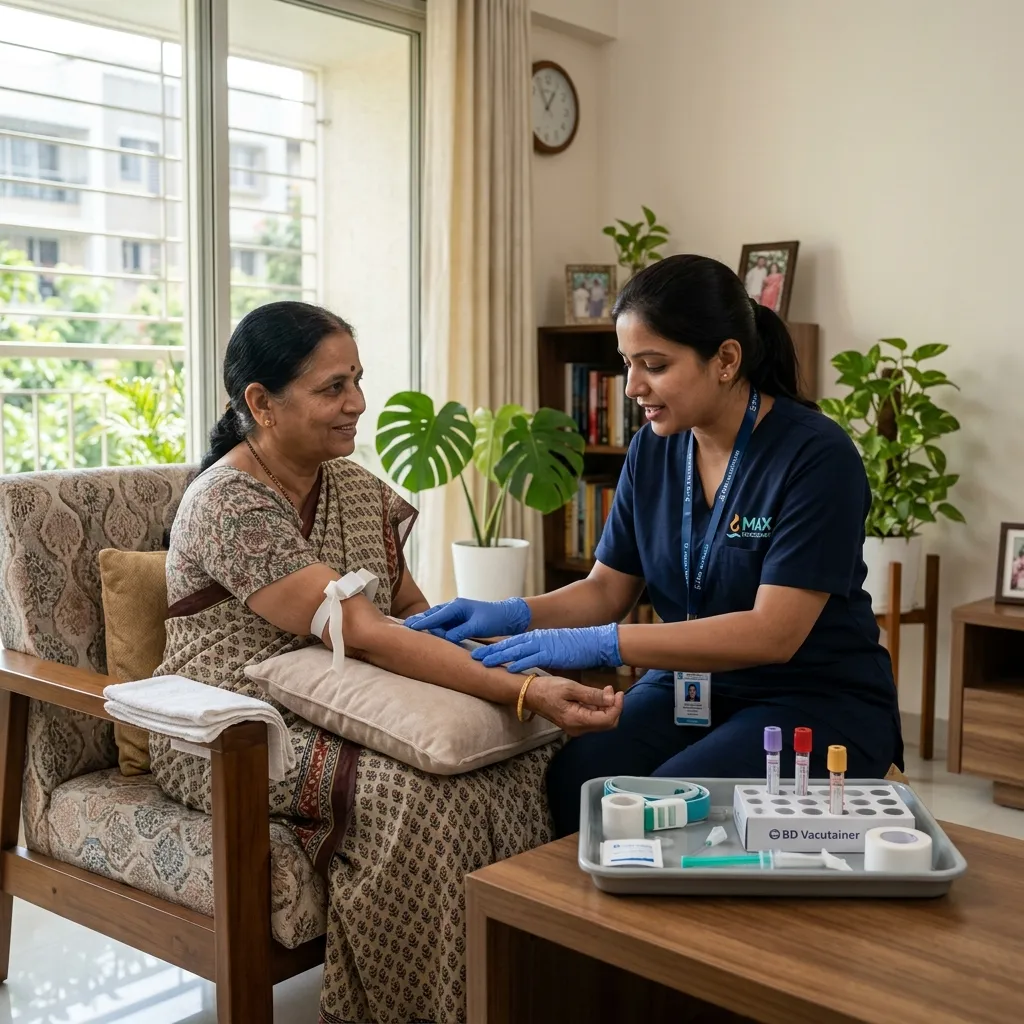
When you have a 103°F fever, the last thing you should do is travel to a diagnostic lab, sit in an AC waiting room, and expose others to your infection. BookMyPatho’s emergency home collection service ensures a phlebotomist is at your door rapidly. Get the Fever Profile done from your bed, get the digital report within hours, and give your doctor the exact data needed to start lifesaving treatment immediately.