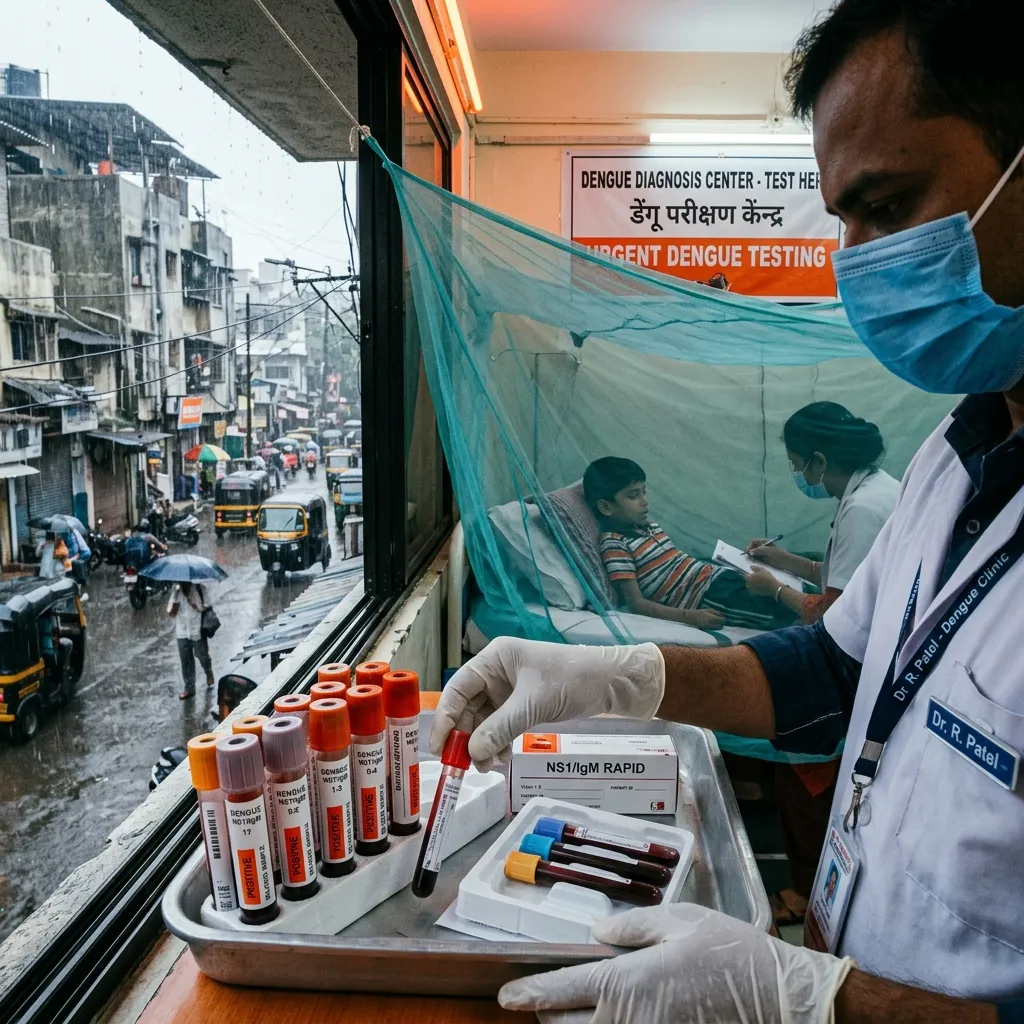
Every year, like clockwork, Delhi gets two unwelcome guests after the monsoon: waterlogged roads and dengue. By September, half your office is either down with fever or WhatsApping you "home remedies for increasing platelets" (spoiler: papaya leaf juice has very limited scientific backing, but try telling that to your WhatsApp university).
The problem? Dengue fever feels exactly like regular viral fever for the first two days. Same body aches, same headache, same "maybe it's just the weather change" denial. The difference is that dengue can turn dangerous fast if you don't catch it early. So here's a no-nonsense guide to which test you need and when.
The Three Dengue Tests — And When Each One Works
This is the part that confuses everyone. There isn't one "dengue test" — there are three, and each one works in a specific time window:
1. NS1 Antigen Test (Day 1-5 of fever)
This is the first test your doctor should order. NS1 is a protein shed by the dengue virus itself, so it shows up very early — often within 24 hours of your first fever spike. If you're on Day 1, 2, or 3 of high fever with severe body ache, NS1 is your go-to. After Day 5, the virus starts hiding and NS1 becomes unreliable.
2. Dengue IgM Antibody (Day 4-7 onward)
After about Day 4-5, your immune system starts producing IgM antibodies to fight the virus. If you missed the NS1 window — maybe you ignored the fever for a few days thinking it was just flu — the IgM test picks up where NS1 left off. This test stays positive for weeks to months.
3. Dengue IgG Antibody (Past infection marker)
IgG tells you if you've had dengue before. This matters because a second dengue infection is significantly more dangerous than the first. If your IgG is positive from a past infection and you get dengue again, your doctor will monitor you more closely for severe dengue (dengue haemorrhagic fever).
The Platelet Panic
Nothing terrifies a Delhi household more than hearing "platelet count is dropping." Here's what you need to know: a normal platelet count is 1.5-4.0 lakh. In dengue, platelets can drop sharply. But — and this is crucial — a low platelet count alone does not mean you need a platelet transfusion. Most patients recover without one. Your doctor monitors the trend, not just one number.
What you should actually worry about are warning signs: persistent vomiting, severe abdominal pain, bleeding gums, blood in vomit or stool, and extreme lethargy. These indicate severe dengue and require immediate hospitalisation.
The BookMyPatho Dengue Strategy
If you have high fever with severe headache and body aches during monsoon season in Delhi NCR:
- Day 1-3: Book an NS1 Antigen + CBC combo test immediately
- Day 4+: If NS1 was negative but fever persists, add the IgM antibody test
- Track your platelets: Get a CBC done every 48 hours until your fever breaks
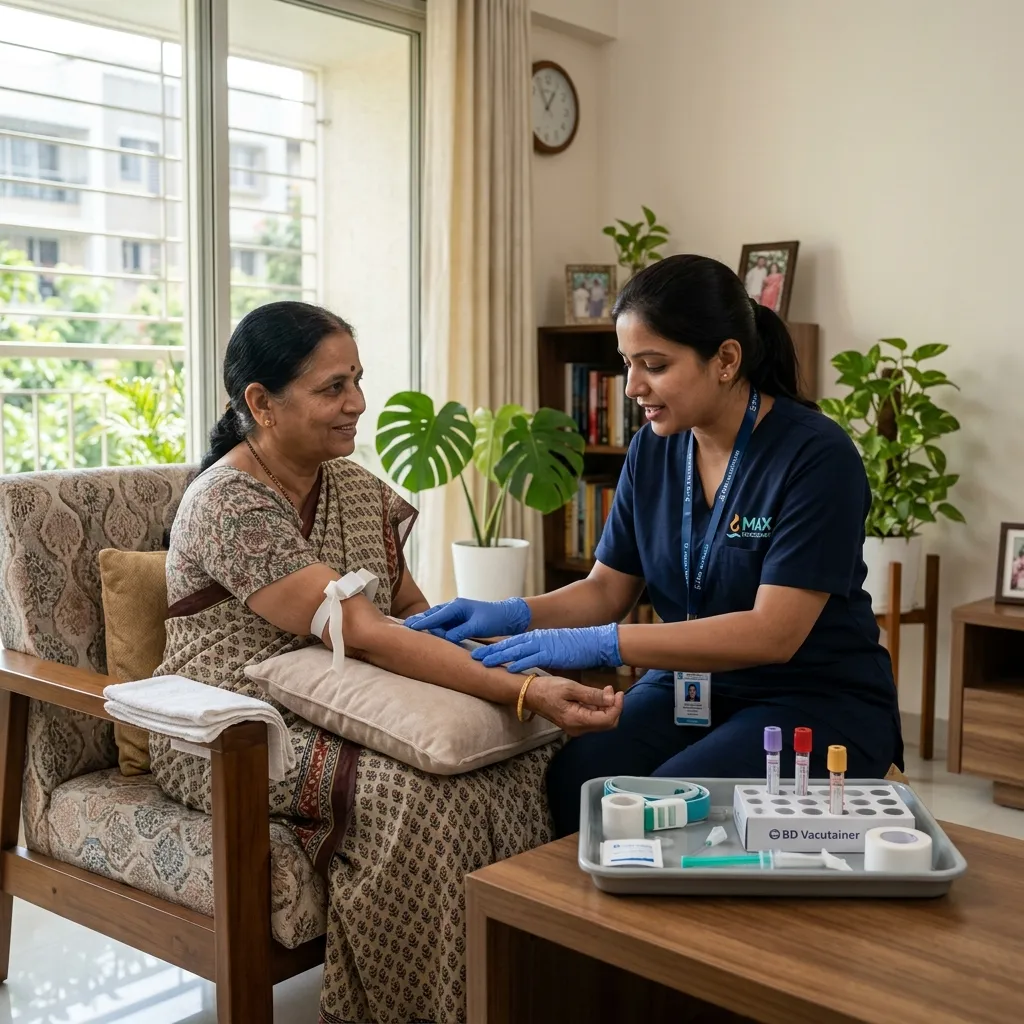
We offer same-day home sample collection across Delhi NCR — no dragging yourself to a lab with 103-degree fever. Our phlebotomist comes to you, and your report reaches your phone within hours.