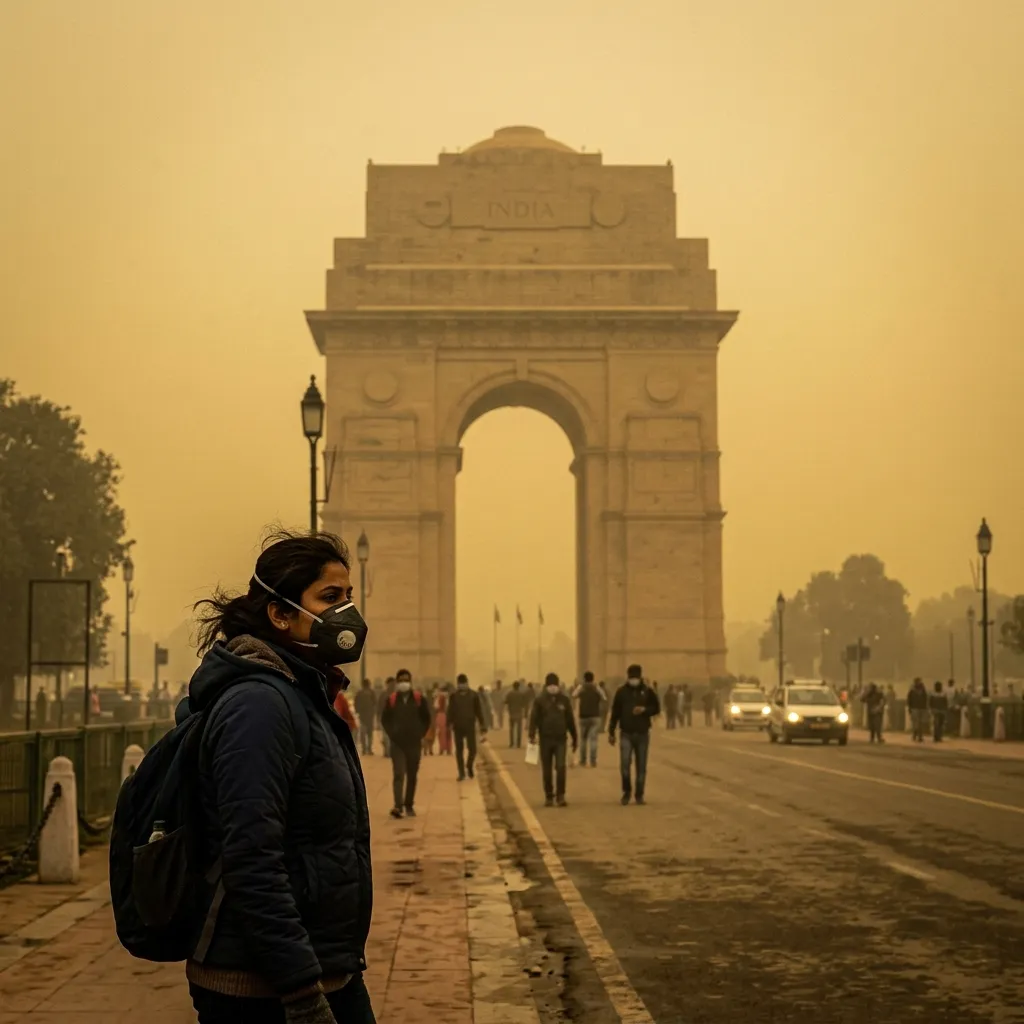
Every November, Delhi turns into a gas chamber. The AQI hits 500+ (the scale literally maxes out), visibility drops to 200 metres, and your throat starts burning the moment you step outside. Schools shut down. Construction stops. The Supreme Court issues stern warnings. And then... we all just carry on with our lives.
By January, the AQI "improves" to a merely "unhealthy" 200-300, everyone collectively shrugs, and the topic disappears until next November. But here's the thing nobody wants to hear: the damage doesn't stop when the news cycle moves on.
Delhi's average annual PM2.5 level is roughly 100 µg/m³ — that's 20 times the WHO's recommended safe limit. Every single day, not just during "pollution season." You are breathing in microscopic particles that are small enough to cross from your lungs directly into your bloodstream. And they've been doing it for years.
What Pollution Actually Does Inside Your Body
PM2.5 particles are smaller than 2.5 microns — about 30 times thinner than a human hair. They bypass your nose and throat filters entirely and lodge deep in your lung tissue. From there, they trigger a cascade of problems:
- Chronic Inflammation: Your lungs stay in a constant state of low-grade inflammation. This is why so many Delhiites have a persistent "clearing the throat" habit or a dry cough that never fully goes away.
- Oxidative Stress: Pollution generates free radicals that damage cells. Your body burns through its antioxidant reserves (Vitamins C, D, and E) trying to neutralise them.
- Blood Vessel Damage: PM2.5 that enters your bloodstream inflames your artery walls, accelerating atherosclerosis (the same process that causes heart attacks). This is why Delhi has disproportionately high cardiac event rates.
- Immune Suppression: Your immune system is so busy fighting pollution particles that it has fewer resources to fight actual infections. This is partly why Delhi residents catch every cold and flu that goes around.
The Tests Every Delhi Resident Should Do Annually
1. Complete Blood Count (CBC)
A CBC reveals if your body is in chronic inflammation mode. Elevated WBC counts, abnormal neutrophil-to-lymphocyte ratios, and low haemoglobin (pollution impairs iron absorption) are all red flags that your body is under environmental stress.
2. Vitamin D Level
The smog literally blocks UVB rays — the only rays that trigger Vitamin D production in your skin. Combined with our indoor lifestyles, Delhi residents have some of the lowest Vitamin D levels in the world. Low D means weaker immunity, weaker bones, and worse mood.
3. Liver Function Test (LFT)
Your liver filters toxins from your blood — and pollution-sourced toxins are a massive workload. Elevated SGPT and SGOT in otherwise healthy, non-drinking Delhi professionals is increasingly common, and pollution is a prime suspect.
4. High-Sensitivity CRP (hs-CRP)
This test measures C-Reactive Protein, a marker of systemic inflammation. While a regular CRP test catches acute inflammation (infections, injuries), the high-sensitivity version detects the chronic, low-grade inflammation caused by years of pollution exposure — the kind linked to heart attacks.
5. Allergy Panel (IgE)
If you've developed chronic sneezing, watery eyes, or skin rashes since moving to Delhi, pollution has likely sensitised your immune system. An IgE panel identifies whether you've developed new allergies that need management.
What You Can Actually Do About It
You can't move to Shimla (or can you?). But you can take practical steps: invest in a HEPA air purifier for your bedroom (you spend 8 hours there — make that air clean), wear an N95 mask on high-AQI days, supplement Vitamin D (after testing — don't guess the dose), and get an annual pollution health checkup.
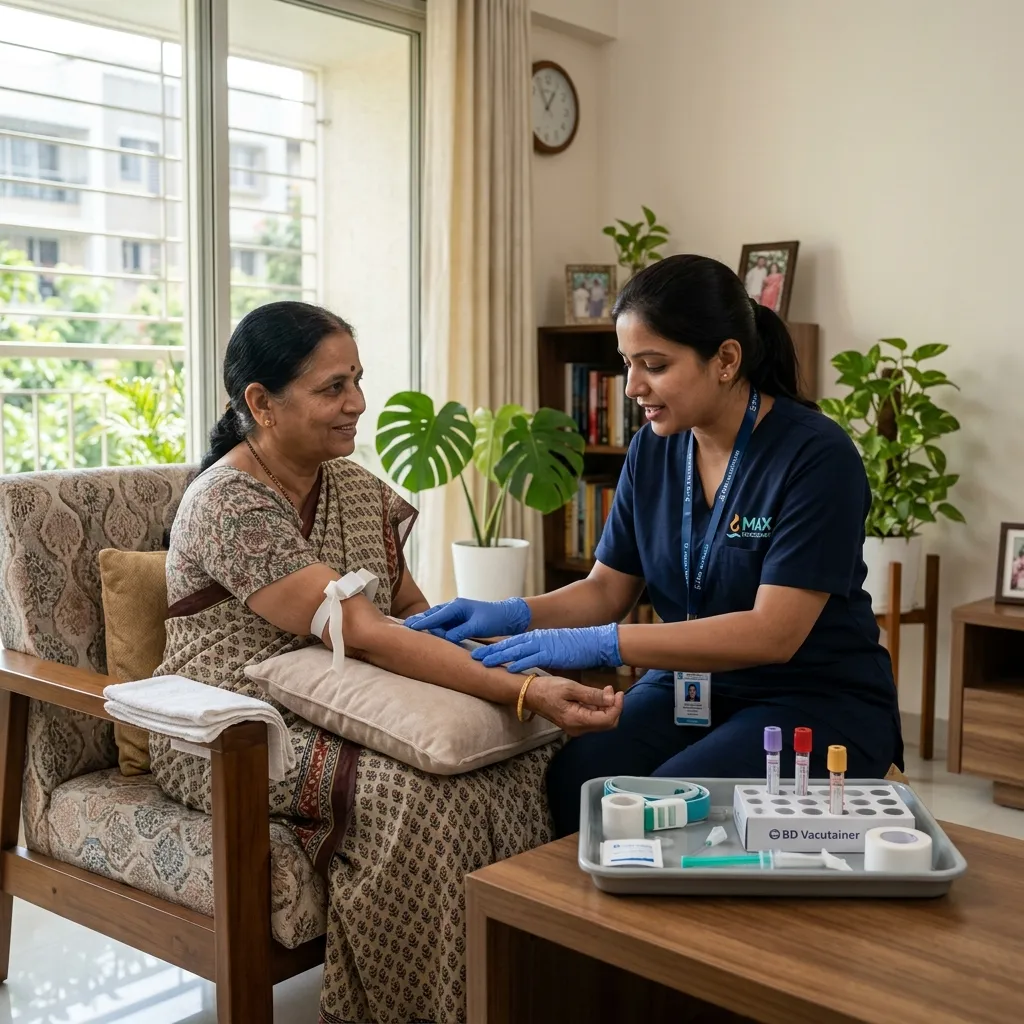
At BookMyPatho, we offer a comprehensive pollution health panel that covers CBC, Vitamin D, LFT, and hs-CRP — all from a single home blood draw. Because if you're going to live in Delhi, you should at least know what it's doing to you.