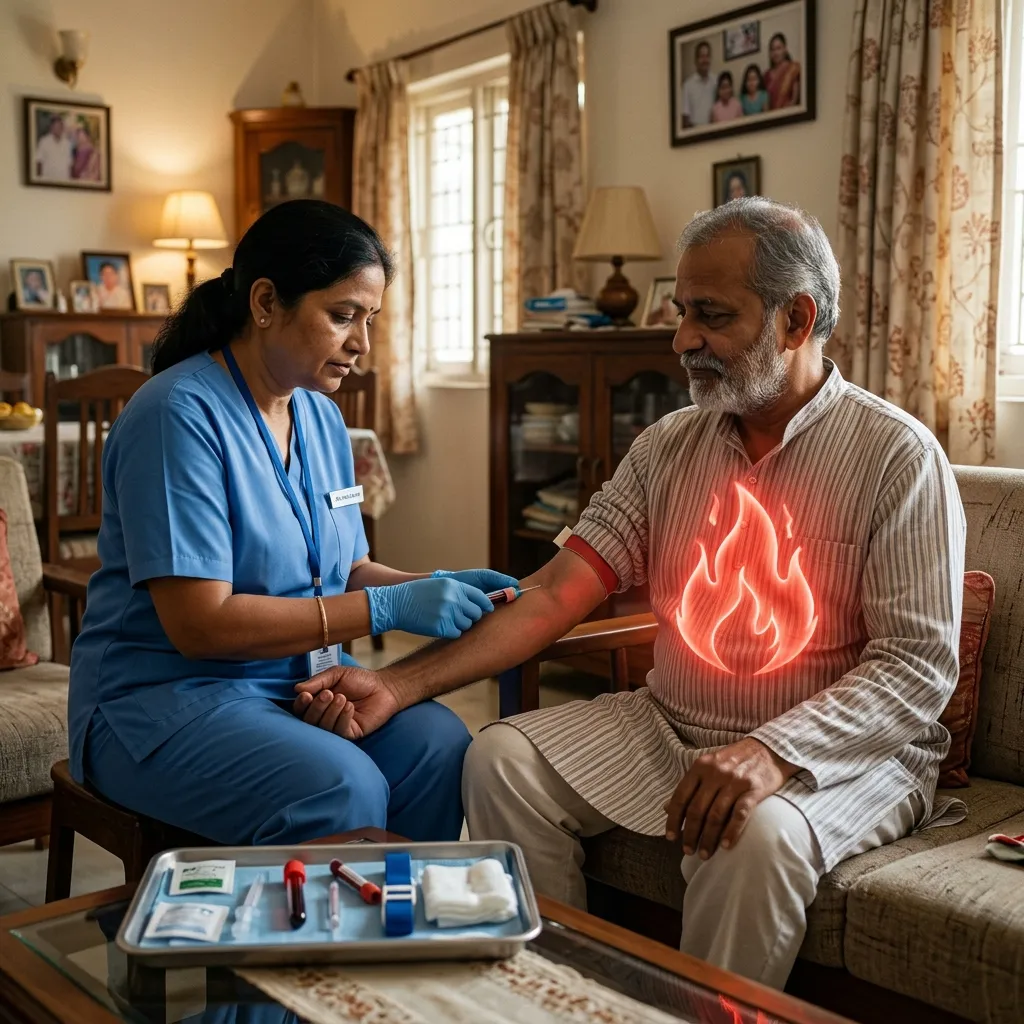
Whenever a doctor suspects that your body is fighting an active infection, struggling with an autoimmune flare-up, or dealing with chronic joint inflammation, their prescription pad almost invariably includes two three-letter tests: CRP and ESR.
Both are classified in pathology as "non-specific markers of systemic inflammation." But why order both? Why not just pick one? Understanding the dynamic difference between the lightning-fast speedometer (CRP) and the slow-moving odometer (ESR) will help you interpret your health reports with confidence.
CRP (C-Reactive Protein): The Rapid-Response Speedometer
CRP is a protein manufactured directly by your liver in response to inflammatory cytokines (interleukin-6) released by immune cells.
- Lightning Fast Reaction: CRP levels shoot up within 4 to 6 hours of acute bacterial infection, surgery, or tissue injury!
- Peaking Power: It peaks within 48 hours, often multiplying 100-fold or 1,000-fold in severe bacterial infections.
- Quick Return to Normal: The moment the infection is cured by antibiotics, CRP drops like a stone (half-life of just 19 hours). It is the ideal test to check if a treatment is working right now!
ESR (Erythrocyte Sedimentation Rate): The Slow-Moving Odometer
ESR is a physical measurement of how fast red blood cells settle to the bottom of a vertical Westergren glass tube in exactly one hour.
When systemic inflammation exists, your liver releases heavy, sticky proteins like fibrinogen. These sticky proteins cause red blood cells to clump together like stacks of coins (called rouleaux formation). Clumped cells are heavy, so they sink faster to the bottom of the tube!
- Slow to Rise: ESR takes 24 to 48 hours to start climbing.
- Slow to Fall: Even after you are completely cured, heavy fibrinogen proteins linger in the blood for weeks. ESR can take 3 to 4 weeks to return to normal.
| Feature | C-Reactive Protein (CRP) | Erythrocyte Sedimentation Rate (ESR) |
|---|---|---|
| Biological Source | Acute phase protein from liver | Physical rate of red blood cells settling |
| Response Speed | Very Fast (4 – 6 hours) | Slow (24 – 48 hours) |
| Normalization Speed | Days | Weeks |
| Best Use Case | Acute bacterial infection, sepsis, pneumonia | Chronic conditions (Tuberculosis, Lupus, Polymyalgia) |
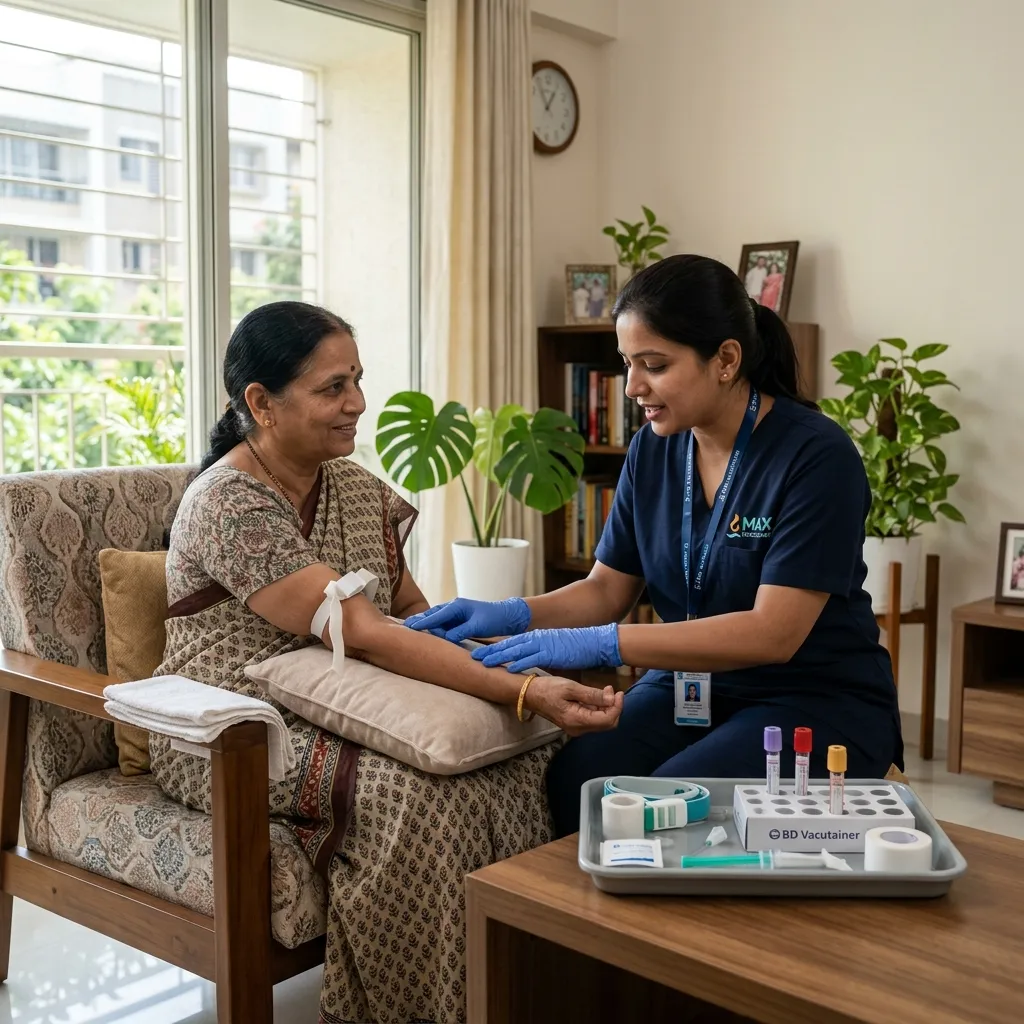
Get complete diagnostic clarity on systemic inflammation. BookMyPatho provides NABL-certified CRP and ESR testing at your home across Delhi NCR.
Recommended Lab Tests & Packages to Book at Home
If you or a loved one are experiencing these symptoms, you can book these diagnostic tests directly with BookMyPatho. Our trained phlebotomists collect samples from your doorstep across Delhi NCR with digital reports delivered within 12 hours:
- C-Reactive Protein (Quantitative CRP): Fast-responding hepatic acute phase protein tracking immediate infection severity.
- Erythrocyte Sedimentation Rate (ESR Westergren): Long-term sedimentation marker evaluating chronic inflammation, TB, or autoimmune flares.
- Complete Hemogram (CBC with Absolute Counts): Correlates inflammatory markers with actual circulating immune cells.
Have questions or need assistance selecting the right package? Call or WhatsApp our Delhi NCR health desk at +91-8700227153.