Open any newspaper or scroll through your social media feed, and the headlines are becoming terrifyingly repetitive: A 35-year-old actor collapses at the gym. A 38-year-old tech executive dies in his sleep. A 32-year-old marathon runner suffers a massive cardiac arrest.
Heart disease used to be considered a retirement problem. Today, it is actively hunting millennials. Studies show that Indians get their first heart attack nearly 10 years earlier than western populations. If you are in your 30s and think you are too young to worry about your heart, you are playing a very dangerous game.
Why Are Young Indians At Such High Risk?
It’s a perfect storm of genetics and modern lifestyle. Genetically, South Asians have smaller coronary arteries and a higher genetic predisposition to insulin resistance. When you combine this vulnerable genetic baseline with the modern urban lifestyle—sitting for 10 hours a day, intense work stress, chronic sleep deprivation, and a diet heavy in refined carbs and seed oils—your arteries don't stand a chance.
Most tragically, nearly 50% of people who suffer a sudden heart attack had zero prior symptoms. Their first symptom was the heart attack itself.
The 4 Essential Cardiac Blood Tests for Young Adults
An ECG is great, but it often only shows damage after it has occurred. To predict and prevent a heart attack, you need to look at your blood chemistry. If you are over 30, these four tests are non-negotiable:
1. The Advanced Lipid Profile
This checks your LDL (bad cholesterol), HDL (good cholesterol), and Triglycerides. High triglycerides and low HDL are the classic "Indian phenotype" of heart disease. You must ensure your triglycerides remain below 150 mg/dL.
2. hs-CRP (High-Sensitivity C-Reactive Protein)
This is arguably the most important predictive test you can take. hs-CRP measures the level of silent inflammation inside your blood vessels. Even if your cholesterol is perfectly normal, high inflammation means that cholesterol is much more likely to stick to your artery walls and rupture, causing a clot. If your hs-CRP is elevated, your heart is actively under stress.
3. HbA1c (3-Month Sugar Average)
Diabetes is considered a "cardiovascular risk equivalent." This means having diabetes gives you the same risk of a heart attack as someone who has already had one! High blood sugar acts like shards of glass, scratching and damaging the inner lining of your arteries. Catching pre-diabetes early is the ultimate cardiac defense.
4. Homocysteine Levels
Homocysteine is an amino acid in your blood. High levels of homocysteine (often caused by severe Vitamin B12 or Folate deficiencies, which are common in Indian vegetarians) damage the lining of arteries and encourage blood clots to form.
Don't Wait for a Wake-Up Call
Preventive cardiology is about finding the smoke before there is a fire. If you wait until you experience chest pain or breathlessness, the fire is already raging.
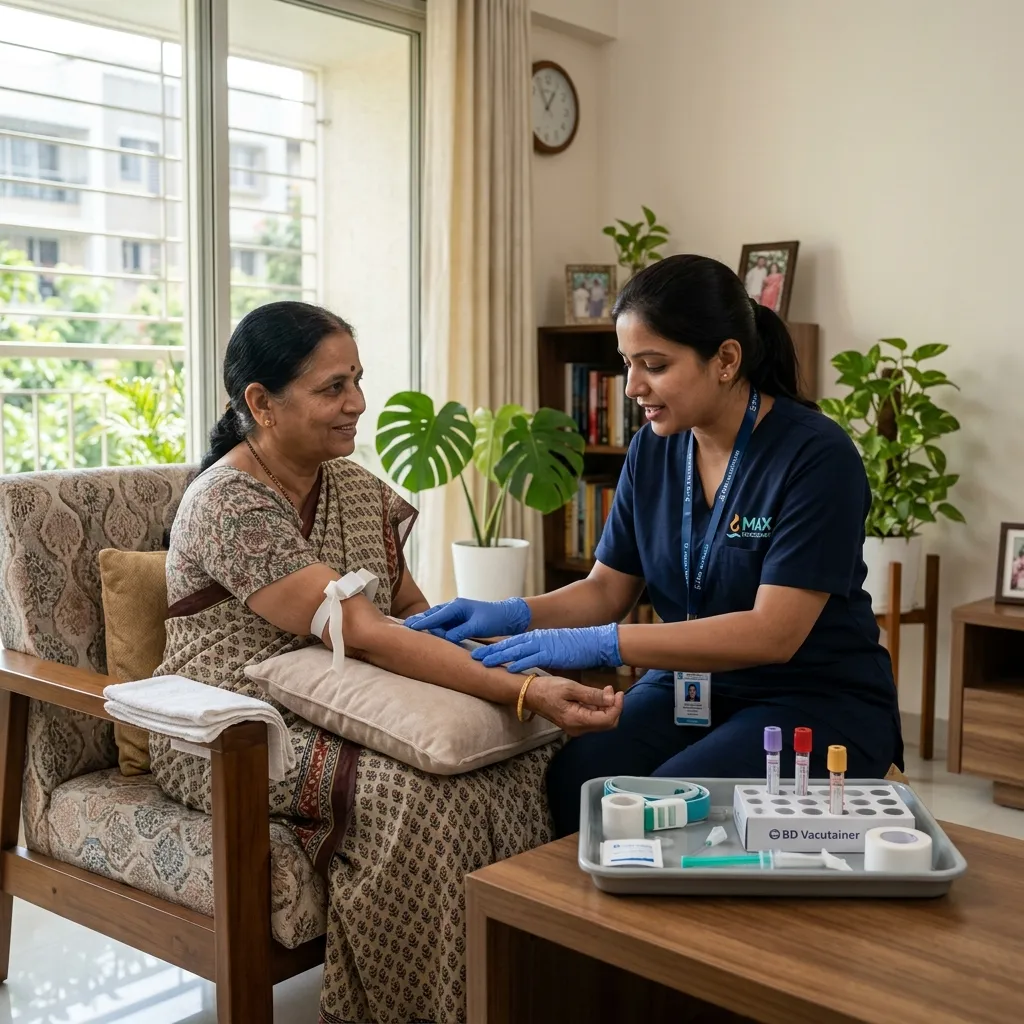
At BookMyPatho, our comprehensive Cardiac Risk Profiles include all these advanced markers. It requires just one morning of fasting and a quick home blood draw. Knowing your numbers is the ultimate act of self-care for you and the family that depends on you.