Receiving a blood test result with the words "Tumor Marker" printed at the top can send chills down anyone’s spine. When a doctor orders a CA 19-9 (Carbohydrate Antigen 19-9) Test—often while investigating persistent upper abdominal pain, unexplained weight loss, or persistent jaundice—patients immediately search online and fear the worst.
Before jumping to panic, it is crucial to understand what CA 19-9 is, why it is primarily used as a monitoring tool rather than a standalone diagnostic test, and how common, non-cancerous conditions frequently cause high readings.
What is CA 19-9?
CA 19-9 is a cell-surface glycoprotein antigen. It is produced in small amounts by normal cells of the pancreas, gallbladder, and bile ducts. In healthy adults, only a tiny trace of this protein escapes into circulating blood.
When malignant tumors grow in the pancreas (pancreatic adenocarcinoma), bile ducts (cholangiocarcinoma), or stomach, tumor cells shed high concentrations of CA 19-9 into the blood. Oncologists use CA 19-9 to evaluate treatment response: if surgical removal or chemotherapy is working, CA 19-9 numbers plummet dramatically.
Benign Conditions That Cause False Alarms
Here is why CA 19-9 is NEVER used as a general population screening test: benign, non-cancerous conditions frequently push CA 19-9 into the hundreds or even thousands!
- Gallstones & Bile Duct Obstruction (Choledocholithiasis): When a gallstone blocks the common bile duct, bile cannot drain into the intestines. The pressure causes CA 19-9 to back up into the bloodstream. Once the gallstone is removed, the numbers return to normal!
- Acute or Chronic Pancreatitis: Severe inflammation of the pancreas triggers cell shedding.
- Liver Cirrhosis & Hepatitis: Impaired liver clearance leads to antigen buildup.
| CA 19-9 Level (U/mL) | Clinical Interpretation |
|---|---|
| Under 37 U/mL | Normal reference range for healthy individuals. |
| 37 to 100 U/mL | Mild elevation; common in benign biliary inflammation, gallstones, or mild pancreatitis. |
| Above 1,000 U/mL | High probability of pancreaticobiliary malignancy; requires immediate CT / MRI / MRCP imaging. |
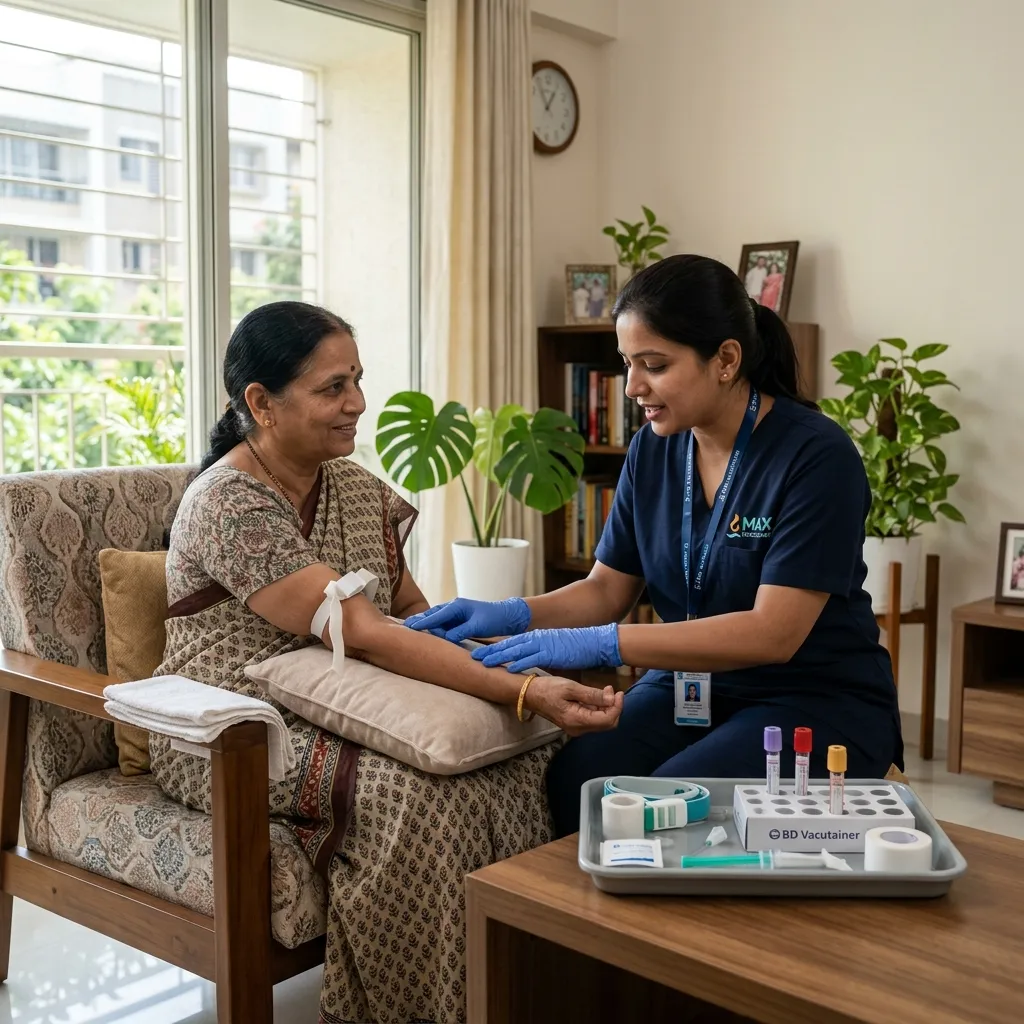
NABL-certified pathology ensures precision when monitoring sensitive biomarkers. BookMyPatho provides confidential tumor marker testing with compassionate home collection across Delhi NCR.
Recommended Lab Tests & Packages to Book at Home
If you or a loved one are experiencing these symptoms, you can book these diagnostic tests directly with BookMyPatho. Our trained phlebotomists collect samples from your doorstep across Delhi NCR with digital reports delivered within 12 hours:
- CA 19-9 Tumor Marker Test: Monitors pancreatic, biliary, and gastric malignancies and tracks chemotherapy response.
- Liver Function Test (LFT with Alkaline Phosphatase): Assesses biliary drainage and rules out benign gallstone blockages.
- Serum Amylase & Lipase: Evaluates concurrent pancreatic inflammation.
Have questions or need assistance selecting the right package? Call or WhatsApp our Delhi NCR health desk at +91-8700227153.