Osteoporosis is often called the 'silent thief.' It steals mass and strength from your bones for decades, completely without symptoms, until the day you slip on a rug, fracture your hip, and realize your bones have become as fragile as porcelain.
\n\nWhy Women Are at Higher Risk
\n\nWhile men get osteoporosis too, women are at a significantly higher risk, particularly after menopause. Estrogen plays a vital role in maintaining bone density. When estrogen levels plummet during menopause, bone loss accelerates dramatically. In the first five years after menopause, a woman can lose up to 20% of her bone mass.
\n\nThe Gold Standard: The DEXA Scan
\n\nYou cannot diagnose osteoporosis with a regular X-ray or a standard calcium blood test. Your blood calcium levels might be perfectly normal while your bones are crumbling. The only definitive way to diagnose osteoporosis is through a DEXA (Dual-Energy X-ray Absorptiometry) scan.
\n\nA DEXA scan is a quick, painless, low-dose X-ray that measures the density of minerals in your bones, usually at the hip and spine. It gives you a 'T-score' which tells you exactly where you stand compared to a healthy young adult.
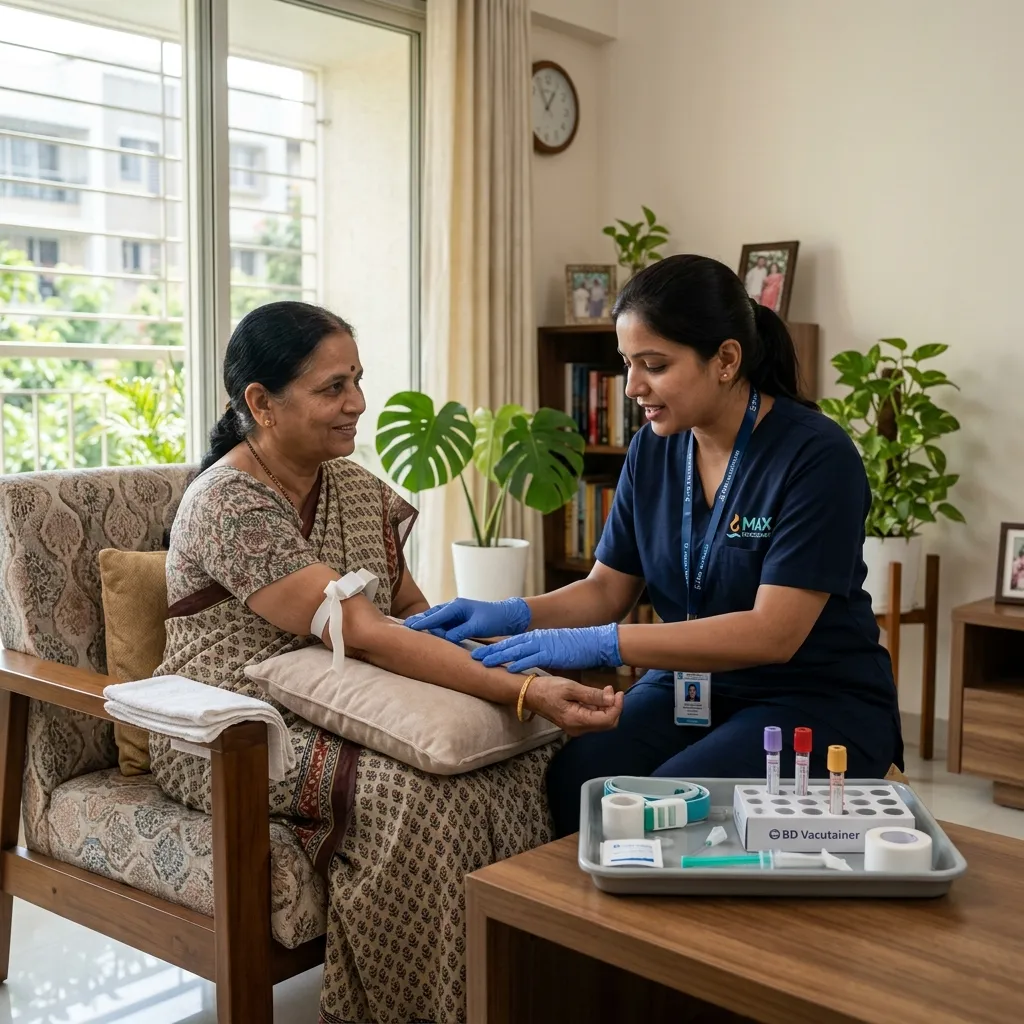
\n\nWomen over 65 (or younger women with risk factors like early menopause or prolonged steroid use) should absolutely have a baseline DEXA scan. Pair it with BookMyPatho's comprehensive Bone Health Blood Profile (Calcium, Vitamin D, Phosphorus) to give your doctor the complete picture.